













WoW Titan Reforged Mage Beginner Guide: Arcane, Fire, or Frost for Phase 1
Source:Blizzard

WoW Titan Reforged Mage Beginner Guide: Arcane, Fire, or Frost for Phase 1

Mage is one of World of Warcraft's clearest expressions of ranged spellcasting. Instead of standing beside an enemy and trading weapon attacks, a Mage controls the fight from a distance with frost, fire, arcane energy, movement abilities and powerful crowd control.
That fantasy is immediately appealing, but Mage is not automatically an easy class. Its damage can be impressive, yet the class normally wears light cloth armor and can be defeated quickly when enemies reach it. A successful Mage prevents danger through positioning and control rather than simply surviving every attack.
For beginners preparing for a possible future global WoW Titan Reforged launch, Mage offers a rewarding introduction to ranged combat. It teaches players how to watch enemy movement, manage mana, interrupt dangerous spells and decide when to continue attacking or create distance.
This guide introduces Arcane, Fire and Frost from a Phase 1 and first-week perspective. It also explains which Mage changes have been officially confirmed for China's Titan Reforged realms and why those changes should not be treated as a guaranteed North American or European ruleset.
Mage Beginner Summary
Mage is a ranged damage class that uses mana and wears cloth armor.
Frost is usually the most forgiving specialization for a new solo player.
Fire focuses on explosive damage, critical effects and aggressive spellcasting.
Arcane rewards careful mana use and planned burst windows.
Polymorph, Counterspell, Blink and defensive abilities are central Mage tools.
Good positioning matters more than standing at the maximum possible range.
China-specific Frost talents and class tuning are not confirmed global features.
Official availability information: Blizzard has confirmed Titan Reforged seasonal realms for players in China. Those realms use a level 80 framework based on Wrath of the Lich King Classic while also introducing custom class talents, equipment and regional balance changes. Blizzard has not announced an identical US or EU version, so exact Mage talents and specialization rankings must be verified again after any future Western announcement.
Should a Beginner Choose Mage?
Mage is a strong first class for players who enjoy ranged combat, visible spell effects and controlling the battlefield. It is particularly satisfying for players who prefer solving danger through movement and preparation instead of relying on heavy armor.
A beginner should understand the tradeoff. Mage can defeat ordinary enemies quickly, but mistakes may be punished more severely than they would be on a Paladin or another durable class. Pulling several enemies without a plan can turn a comfortable quest into an emergency within seconds.
Choose Mage When You Enjoy Control
Mage gameplay is built around deciding where enemies are allowed to stand. Slows reduce movement speed, roots hold targets in place, Polymorph temporarily removes one enemy from combat and Blink helps the Mage reposition quickly.
These tools reward players who watch the complete battlefield. When you enjoy planning the fight before the enemy reaches you, Mage can feel extremely powerful.
Consider Another Class When You Prefer Durability
A player who wants to stand directly beside enemies and survive repeated attacks may find Mage frustrating. Cloth armor provides less protection than mail or plate, and spellcasting can be interrupted when enemies attack at close range.
Mage becomes safer through experience, not armor. The class expects the player to slow enemies, create distance and recognize when an encounter is becoming dangerous.
Arcane, Fire, and Frost Explained
Mage has three traditional specializations. Each one remains a ranged damage dealer, but the pace, resource pressure and method of controlling enemies can feel very different.
Arcane Mage
Arcane emphasizes magical power, mana management and planned periods of high damage. Its abilities can become extremely effective when resources and cooldowns are used together.
The central beginner lesson is that mana is part of Arcane's damage strategy. Spending mana quickly may create a strong burst window, but the Mage must still finish the fight and remain useful afterward.
Arcane suits players who enjoy planning cooldowns and balancing short-term power against long-term resources. It may feel straightforward against one enemy but becomes more demanding when several fights occur without recovery time.
Fire Mage
Fire emphasizes explosive spell damage, critical effects and powerful offensive moments. It appeals to players who want aggressive spellcasting and visually dramatic attacks.
A critical effect occurs when an ability produces increased damage. Fire talent interactions often reward consecutive critical effects or create opportunities for stronger instant spells.
Fire can feel exciting but less predictable during early leveling when critical chance is still limited. The specialization may also provide less direct control than Frost, requiring the player to react quickly when enemies survive the initial attack.
Frost Mage
Frost combines damage with slowing, freezing and defensive control. It is normally the easiest specialization for a beginner who expects to spend substantial time questing alone.
Enemies affected by Frost spells may move more slowly, giving the Mage additional time to cast. Freezing effects can create space when several targets approach, while defensive Frost abilities provide another layer of protection.
Frost suits players who value consistency, control and survival. Its safer leveling style does not mean it lacks depth. Efficient Frost gameplay still requires positioning, target selection and careful use of freezing effects.
First Mage Tip
Start with Frost when you are uncertain. Slows and defensive control give you additional time to understand casting distance, mana and enemy movement before experimenting with the more aggressive Fire or resource-focused Arcane styles.
Mana Is Both a Resource and a Timer
Mana powers most Mage spells. When mana becomes too low, the character may lose access to its strongest attacks, defensive tools and crowd control.
A beginner may attempt to defeat every ordinary enemy with the most expensive available spell. The first target falls quickly, but the Mage then spends a long period drinking before the next fight.
Use a Sustainable Questing Rhythm
A sustainable rhythm defeats enemies at a reasonable speed without emptying the mana bar after every pull. Use powerful cooldowns against difficult enemies and simpler spell sequences against ordinary targets.
The fastest individual kill is not always the fastest leveling method. A slightly slower fight followed by immediate movement toward the next objective may save more time than repeated recovery.
Conjured Food and Water
Mage can traditionally create food and water. Food restores health outside combat, while water restores mana. This class feature reduces dependence on ordinary vendor supplies and helps both the Mage and group members recover between encounters.
Create enough water before beginning a long quest route or dungeon. Waiting until the group is ready for the next pull can create unnecessary delays.
Do Not Wait Until Mana Reaches Zero
When a dangerous fight begins with an almost empty mana bar, the Mage may be unable to Blink, control an enemy or use an emergency defensive spell.
Recover before entering a difficult area. Beginning at full resources gives you more options when an additional enemy appears unexpectedly.
Control Abilities Define the Class
Mage becomes much easier when control abilities are treated as part of normal combat rather than emergency buttons that remain unused.
Polymorph Removes One Enemy Temporarily
Polymorph is a crowd-control ability that temporarily transforms an eligible enemy and prevents it from participating in the fight. Damage normally breaks the effect.
When fighting two dangerous enemies, a Mage can Polymorph one, defeat the other and then return to the controlled target. In a dungeon, the tank or group leader may mark the enemy that should be controlled.
Do not use area damage near a Polymorphed target unless the group is ready for it to return to combat.
Counterspell Stops Dangerous Casting
Counterspell interrupts an enemy spell and may temporarily prevent additional casting from the same school of magic. An interrupt used on a dangerous heal or powerful attack can protect the group more effectively than another damage spell.
Place Counterspell on an accessible button and practice it against ordinary spellcasting enemies. Do not wait until a raid before learning how quickly an enemy cast must be stopped.
Blink Creates Space
Blink moves the Mage forward quickly and can help escape close-range pressure or reposition during an encounter. It is not only a travel convenience.
Before using Blink, check the direction your character is facing. Blinking into another enemy group may turn a manageable problem into a complete failure.
Frost Nova Creates an Emergency Window
Frost Nova traditionally freezes nearby enemies in place. It can create enough time to move away, begin another cast or escape from several targets.
Freezing enemies does not make the Mage invulnerable. Some targets may continue using ranged attacks, and damage can interact with the effect differently depending on the ability and version.
A Safe Early-Level Combat Pattern
Your first Mage rotation does not need to be complicated. A rotation is the sequence or priority of abilities used during combat.
Check for additional enemies before beginning the cast.
Open from a comfortable distance with a primary damage spell.
Apply a slow or use Frost-based control when the target approaches.
Continue casting while maintaining safe distance.
Use Frost Nova or Blink when the enemy reaches close range.
Recover mana before beginning a difficult second pull.
This pattern teaches the essential Mage relationship between damage and distance. As talents and additional spells become available, the same foundation supports more advanced rotations.
Positioning While Leveling
A Mage should begin most outdoor fights with space available behind or beside the character. That space becomes an escape route when the enemy survives longer than expected.
Do Not Cast With Your Back Against an Obstacle
A wall, cliff or group of unengaged enemies can remove your ability to retreat. Before attacking, rotate the camera and confirm that the surrounding area is safe.
This brief check prevents many avoidable deaths. Mage survival frequently depends on where the fight begins rather than how much damage is produced after the enemy arrives.
Understand Line of Sight
Line of sight determines whether a spell can travel between the Mage and the target. Walls, pillars and terrain may prevent casting.
Line of sight can also be used deliberately. Moving behind an object may force a ranged enemy to approach, allowing the Mage or tank to control its position more easily.
Maximum Range Is Not Always Safe
Standing as far away as possible can place the Mage near another enemy group or outside a healer's effective range. Use enough distance to cast comfortably while remaining connected to the group.
Mage in Early Dungeons
Mage normally joins a five-player dungeon as a ranged damage dealer. Damage is important, but the class is also valued for crowd control, interrupts, curse removal, food and transportation tools.
Allow the Tank to Establish Control
Mage can produce substantial opening damage. Casting the strongest spell before the tank controls the enemy may cause the target to run toward you.
Wait briefly, attack the marked target and move toward the tank when an enemy begins chasing you. Running farther away makes it more difficult for the tank to regain control.
Maintain Assigned Polymorph
When the group assigns a Polymorph target, cast the effect before or during the pull as instructed. Watch its remaining duration and be prepared to apply it again.
Avoid area spells near the controlled target. When another player breaks the effect accidentally, help the tank recover control instead of beginning an argument during combat.
Interrupt Priority Spells
Do not use Counterspell on every minor cast simply because it is available. Prioritize enemy healing, long control effects and attacks that cause heavy group damage.
You will not recognize every ability during the first run. Ask which casts are dangerous and remember the ones that create obvious problems.
Provide Food Before Difficult Content
Conjured food and water can reduce recovery time for the complete party. Offer them before the group begins instead of waiting until another player has already purchased or requested supplies.
Dungeon Mage Tip
Place Polymorph, Counterspell and your curse-removal ability beside your main attacks. Utility abilities are easiest to remember when they are visible and accessible during ordinary combat.
Mage in Phase 1 Raids
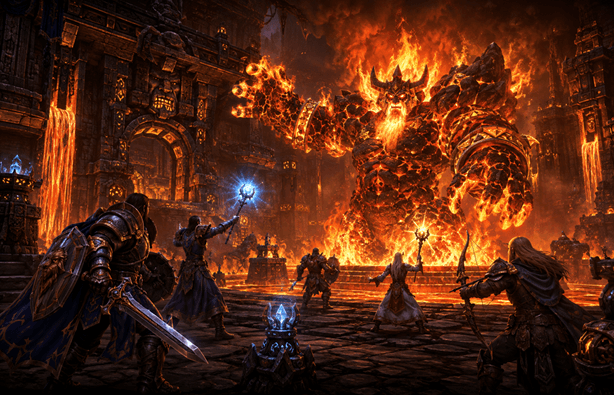
China's confirmed Titan Reforged launch used a rebuilt level 80 version of Molten Core as its opening raid. Mage players entered that content with a Wrath-style class framework, custom equipment and regional talent adjustments.
A raid requires the Mage to combine consistent damage with assigned utility. The player may need to interrupt a particular enemy, remove curses, control an additional target or move quickly during a boss mechanic.
Do Not Assume Fire Is Automatically Unusable
Molten Core contains many fire-themed enemies, but visual theme alone does not confirm how every Titan Reforged resistance, talent or damage interaction works.
Old original-Classic assumptions may not apply to rebuilt level 80 encounters. Check current regional combat information before changing specialization only because the raid contains fire.
Survival Is Part of Raid Damage
A Mage may be able to continue casting while standing in danger, but a defeated character contributes no further damage. Move early from ground effects and use defensive abilities before incoming damage becomes lethal.
Ice Block and similar emergency tools can prevent death, but they should be used with an understanding of the mechanic. Immunity may protect the Mage without solving danger created for nearby players.
Coordinate Utility Assignments
When several Mages are present, the raid may divide interrupt, curse-removal or control duties. Follow the assignment instead of assuming another Mage will handle every utility task.
China-Only Frost Mage Changes
The official China Titan Reforged service published a dedicated Mage talent adjustment in January 2026. The update was designed to give Frost Mage two different gameplay directions: one centered more heavily on Ice Lance and another built around a custom Frozen Orb-style ability.
The regional update also changed several Frost talents and interactions involving Brain Freeze, Frostbolt, Frostfire Bolt and the Water Elemental. The stated goal was to support a more mobile battle-Mage style while preserving a traditional ranged Frost approach.
What the China Changes Mean
These changes demonstrate that Titan Reforged is not simply standard Wrath Classic with older raids. The regional developers can redesign talents and introduce mechanics intended for the custom progression environment.
A China Frost build may therefore use abilities or talent relationships that do not exist in an ordinary Wrath guide. Players on those realms should use current regional information rather than an older specialization guide.
What the Changes Do Not Mean
They do not confirm that Frozen Orb, the custom Frost talents or the same numerical values will appear in North America or Europe.
A future Western adaptation could copy the full design, select only some ideas, use standard Wrath talents or introduce a separate Mage redesign. Blizzard has not announced which approach would be used.
A Practical First-Week Mage Plan
Day 1: Learn Distance and Mana
Complete the starting quests and practice beginning fights from range. Watch how much mana each spell consumes and identify which sequence defeats ordinary enemies without requiring constant recovery.
Days 2–3: Practice Escape Tools
Use Frost Nova and Blink intentionally instead of waiting for a dangerous mistake. Practice moving toward cleared ground and confirm your facing direction before blinking.
Days 3–4: Control Two Enemies
Find a manageable situation containing two eligible enemies. Polymorph one, defeat the other and then finish the controlled target. This teaches the basic rhythm used in more difficult quests and dungeons.
Days 4–5: Enter a Dungeon
Tell the group when it is your first run. Follow the tank's target, interrupt dangerous spells and maintain Polymorph when the group assigns one.
Days 6–7: Compare Specialization Styles
Decide whether you prefer Frost control, Fire's aggressive critical-based style or Arcane's mana planning. Make the decision after real combat experience rather than selecting only from a damage ranking.
Common Mage Beginner Mistakes
Opening With Too Much Damage
In group content, a powerful opening attack may cause the enemy to ignore the tank. Wait until the target is controlled before using major offensive cooldowns.
Using Blink Without Checking Direction
Blinking toward an unexplored room or additional enemy group can create more danger than remaining in place. Use the camera before using the ability.
Ignoring Mana Until It Is Empty
A Mage without mana loses both damage and survival options. Recover before difficult pulls and use cheaper spells against ordinary enemies when appropriate.
Breaking Your Own Polymorph
Area damage can awaken a controlled enemy. Watch the target's position and choose single-target spells while the group needs it removed from combat.
Standing Too Far From the Healer
Ranged combat does not require standing at the edge of every room. Remain close enough to receive healing and follow group movement.
Copying a China Frost Build Into Another Version
China Titan Reforged contains custom Frost talents and interactions. Standard Wrath Classic, original Classic and a future Western Titan Reforged-style project may use different abilities.
Confirmed Facts, Predictions, and Rumors
Confirmed for China: Titan Reforged uses a level 80 framework based on Wrath of the Lich King Classic while adding custom class designs and rebuilt content.
Confirmed for China: The regional service introduced a Frost Mage adjustment supporting Ice Lance-focused and Frozen Orb-focused gameplay directions.
Confirmed for China: The Mage update also changed several Frost talents and Water Elemental interactions.
Not confirmed globally: Blizzard has not announced Titan Reforged realms, Mage talent trees or a Phase 1 launch schedule for North America or Europe.
Prediction only: Mage would probably remain popular in a Western adaptation because ranged damage, food, portals and crowd control provide broad value throughout early progression.
Rumor only: Any claimed global Mage redesign, release date or guaranteed Phase 1 specialization ranking remains unverified without an official Blizzard announcement.
Where to Verify Mage Information
For worldwide World of Warcraft announcements, follow the official Blizzard news website. Blizzard's global statement currently identifies the existing Titan Reforged seasonal realms as a product created for players in China.
For China-specific Mage talents, regional class adjustments and phase announcements, use the official China Titan Reforged news page.
Always confirm the region and publication date. A China Frost talent adjustment does not automatically describe standard Wrath Classic, historical launch balance or a future Western version.
Why Gold Still Matters for a Mage
Gold should not become the main purpose of Mage progression, but it still supports normal Phase 1 development through training, repairs, bags, transportation and practical equipment improvements. Mage can create food and water, but the class still has other essential expenses while leveling and entering group content.
LootWoW has more than ten years of experience supporting MMORPG players across different games, regions and World of Warcraft versions. Players seeking additional support during early progression can visit LootWoW to Buy WoW Titan Reforged Classic Gold.
Which Mage Specialization Should You Start With?
Choose Frost when you want safer solo leveling, strong control and additional time to react when enemies approach.
Choose Fire when you enjoy aggressive spellcasting, critical effects and explosive damage moments.
Choose Arcane when you enjoy planning cooldowns and treating mana management as an important part of your damage strategy.
A complete beginner will usually have the smoothest introduction with Frost. After learning distance, mana and control, the player can test Fire or Arcane without needing to relearn the fundamental Mage toolkit.
The strongest Mage is not simply the specialization producing the largest number in one temporary ranking. It is the player who understands when to cast, when to move, which enemy must be controlled and how much mana must remain for the next problem.
Master those decisions during the first week, and Mage becomes one of the most capable and satisfying classes for Phase 1 leveling, dungeons and early raids.