











Buy MapleStory Classic World Mesos



SERVER
- Buy MapleStory Classic World Mesos
Buy MapleStory Classic World Mesos
About MapleStory Classic World | MapleStory Classic World Mesos
MapleStory Classic World | MapleStory Classic World Mesos Guide
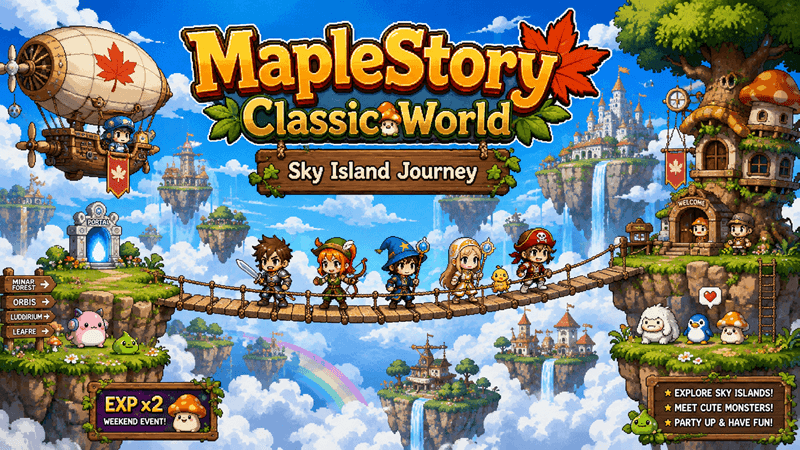
MapleStory Classic World is now open in its current playable phase, giving longtime fans and new adventurers a fresh opportunity to experience the slower, more social style of early MapleStory. Instead of rushing players through dozens of systems, the game places more value on simple goals: choosing a class, learning a training route, earning equipment upgrades, completing quests, and meeting other players along the way.
The attraction is not only nostalgia. Classic progression creates a different relationship between the player and the world. A small weapon upgrade can noticeably improve a training session. A new town can feel like a major destination rather than a temporary stop. Party members remember each other because cooperation saves time, reduces danger, and makes difficult maps more manageable.
This guide introduces the main ideas behind MapleStory Classic World, including class selection, leveling, quests, party play, equipment, scrolls, trading, and the role of MapleStory Classic World Mesos. Exact values, available content, and server rules may continue to change as the service receives updates, but the core progression principles remain useful for players beginning their journey.
MapleStory Classic World Beginner Summary
Choose a class according to the playstyle you enjoy, not only a temporary tier list.
Complete useful quests while combining them with nearby monster training.
Upgrade equipment gradually instead of spending everything on one early item.
Keep enough Mesos for potions, travel, skill costs, repairs, and emergency purchases.
Party play can improve safety, map control, and access to group activities.
Check current server rules before trading, scrolling, or making a large purchase.
Availability note: MapleStory Classic World is playable through its current access period. Features, balance, maps, and economy rules may be adjusted in later updates, so players should always confirm important details inside the live client.
What Is MapleStory Classic World?
MapleStory Classic World is designed around the identity of earlier MapleStory: colorful two-dimensional maps, platform movement, recognizable monsters, job advancement, equipment progression, and a player economy built around Mesos. The pace is more deliberate than modern versions of the game, which means choices made during the first levels can remain relevant for a meaningful amount of time.
Players begin with limited strength and gradually build a character through levels, skills, better weapons, defensive gear, accessories, consumables, and knowledge of efficient maps. Progress is not only measured by a level number. Reaching a new job advancement, equipping a weapon that changes damage noticeably, or gaining access to a more profitable training area can feel like a real milestone.
The world also rewards familiarity. Experienced players learn where to buy supplies, which monsters drop useful materials, how to move between towns efficiently, and when a party is better than solo play. New players do not need to memorize everything immediately. The best approach is to learn one region at a time and build a reliable routine before moving toward more demanding content.
Why Classic Progression Feels Different
Classic progression feels meaningful because resources are limited. Potions cost money, travel may require planning, and equipment upgrades are not automatically replaced every few minutes. When a player spends Mesos, the decision competes with other needs. Buying a stronger weapon may improve training speed, but it can also reduce the amount available for potions, scrolls, or future job advancement expenses.
Combat also develops gradually. Early skills may be simple, yet the player learns positioning, attack range, monster behavior, and resource management. A ranged character must maintain distance. A melee character needs to control incoming damage. A magic user watches mana consumption. A fast-moving class may trade durability for mobility and precise execution.
This slower structure makes knowledge valuable. Two characters with similar levels can perform very differently when one player understands map layout, skill timing, equipment priorities, and potion efficiency. Improving these habits often saves more time than chasing a single expensive item too early.
Choosing Your First Class
Your first class should match the kind of combat you want to repeat for many hours. Damage rankings can change with balance updates, equipment quality, and available content. A class that feels comfortable and understandable will usually produce better long-term progress than a class selected only because another player described it as the strongest.
Warrior-Style Characters
Warrior-style characters appeal to players who enjoy close-range combat, visible weapon upgrades, and a durable approach to ordinary monsters. Their direct fighting style is easy to understand, but close-range attacks can increase potion use when enemies deal consistent contact damage. Weapon choice and attack range often influence how comfortable a training map feels.
Magician-Style Characters
Magician-style characters focus on spells, mana management, elemental or area-based damage, and carefully selected equipment. They can become efficient when their skills match the monsters and maps being used, but they must budget for mana recovery. A player who spends every Meso on damage gear may discover that the character cannot maintain long training sessions without enough consumables.
Bowman-Style Characters
Bowman-style characters reward distance control, platform awareness, and consistent ranged attacks. They can perform well when a map provides clear firing lines and enough room to reposition. Tight maps or monsters that quickly enter close range may require more movement. Players should consider ammunition, weapon upgrades, and accuracy-related needs when planning expenses.
Thief-Style Characters
Thief-style characters attract players who prefer speed, mobility, critical attacks, and active positioning. Their progression can feel exciting because equipment and stat improvements may strongly affect performance. At the same time, certain weapons, throwing supplies, or desirable gear can become expensive when many players compete for the same items.
First Character Tip
Create the class whose normal attack range, movement, and resource system feel enjoyable. A comfortable first character can earn Mesos and equipment for future characters more efficiently than a class you abandon after a few levels.
Leveling, Quests, and Training Maps
Efficient leveling is not simply choosing the monster with the highest level. A good training map should provide enemies that can be defeated quickly, a layout that suits the character, manageable potion costs, and enough monster availability to reduce waiting. Travel time also matters. A slightly weaker map near a town may produce better progress than a distant map that requires frequent supply trips.
Quests are most useful when they support the route you already plan to follow. Accept several objectives in the same area, complete them while training, and return to town only after your inventory or potion supply creates a reason to leave. Repeated travel for one small reward can reduce experience and Mesos gained during the same amount of playtime.
Monster drops should not be ignored. Equipment, ores, quest materials, scrolls, and other items may have value even when your character cannot use them. Learn which drops should be sold to an NPC, saved for a quest, stored for another character, or offered to other players. Inventory discipline is an important part of classic progression because returning to town too often interrupts training.
When progress slows, identify the actual problem before spending money. Low damage may come from an outdated weapon, poor skill allocation, unsuitable monsters, or insufficient accuracy. High potion use may come from fighting enemies that are too dangerous or from standing in contact range unnecessarily. Correcting the map or playstyle can be cheaper than purchasing new gear.
Party Play and the Social Economy
Party play is one of the clearest differences between a classic MMORPG and a mostly solo progression game. A useful party can control a larger map, reduce dangerous downtime, share information, and make group activities easier to organize. The best party is not always the one with the highest-level members. Reliable players who communicate and respect the map often create a smoother session.
Social connections also affect the economy. Friends may exchange class-specific drops, compare prices, help locate uncommon equipment, or warn each other about poor trades. A guild or regular group can reduce the need to search publicly every time a player needs a quest party, boss attempt, or specialized item.
Good trading habits are part of social reputation. Confirm the item, quantity, price, and any relevant upgrade details before accepting a transaction. Do not pressure another player into a rushed decision. In a community-driven economy, a trustworthy name can be more valuable than the profit from one unfair sale.
Equipment, Weapons, Gear, and Scrolls
Equipment progression begins with practical upgrades. A better weapon often improves training more than a small defensive increase because faster defeats reduce the amount of damage received. However, the most expensive weapon on the market is not automatically the best purchase. Required level, class restrictions, attack speed, available upgrade slots, and future replacement timing all affect value.
Armor and accessories become more important as enemies deal higher damage or important statistics become difficult to reach. Replace weak pieces when the improvement is meaningful, not merely because another item has a different appearance. Keeping one or two useful alternative pieces can help with changing requirements, but storing every possible item quickly creates inventory problems.
Scrolls introduce risk and planning. A successful scroll may increase the value and performance of a weapon or piece of equipment, while a failed attempt can consume an upgrade opportunity depending on the current rules. Before scrolling an item, compare the item cost, scroll cost, success chance, remaining slots, and the level at which you expect to replace it.
New players should avoid using all available Mesos on a speculative upgrade. A moderately improved item with enough money left for potions and travel is often more useful than an ambitious project that leaves the character unable to train. Expensive scrolling becomes more reasonable when the base item is valuable enough to justify the risk.
Understanding the MapleStory Classic World Economy
A young server economy changes quickly. During the opening period, common supplies may be expensive because many players need them at the same time. Rare equipment may have unstable prices because only a few examples have entered the market. As more players reach higher levels, the supply of some items increases while demand shifts toward stronger gear and more valuable scrolls.
Price knowledge develops through observation. Check several listings or offers instead of treating the first price as the normal value. Compare clean items with upgraded items carefully because one additional stat line or successful scroll does not always justify a large premium. Record important prices for a few days when planning a major purchase.
Liquidity matters as much as theoretical value. An item may be rare but difficult to sell if only one class wants it or if most players have not reached the required level. Consumables and widely used materials can produce smaller margins but sell more consistently. Players who understand both demand and timing can build Mesos without depending entirely on monster drops.
Avoid assuming that a price from another MapleStory version applies directly to Classic World. Different drop rates, population, class popularity, and content schedules create a separate economy. Current information from the live server is more reliable than an old price guide.
A Practical First-Week Plan
Choose one main character. Learn its attack range, resource use, and early skill priorities before creating several alternatives.
Build a supply reserve. Keep enough potions and travel money to complete a full training session without returning to town too early.
Combine quests with training. Select objectives located near monsters that already provide useful experience or drops.
Upgrade the weakest important slot. Prioritize a meaningful weapon or gear improvement instead of buying several minor changes.
Meet other players. Add reliable party members, compare market information, and join group activities when your character is ready.
Review your Mesos balance. Separate money for daily expenses from money intended for a future weapon, scroll, or major item.
This plan prevents a common beginner problem: reaching a new level while having no money to support the next stage. Progress should leave the character stronger and financially stable. A slightly slower route that earns useful drops can be better than a fast route that consumes large amounts of potions and produces nothing valuable.
Why MapleStory Classic World Mesos Are Important
MapleStory Classic World Mesos support almost every stage of character growth. Players need currency for potions, transportation, equipment, weapons, scrolls, trading, and unexpected opportunities in the market. A healthy Meso reserve allows a character to continue training, react to a valuable listing, and prepare for the next job or level range without stopping progression to farm basic expenses. Players who want to compare available options can visit LootWoW and Buy MapleStory Classic World Mesos through the dedicated MapleStory Classic World currency page.
Mesos become even more important when a player begins comparing stronger weapons, upgraded gear, rare accessories, and scroll-based projects. Currency creates flexibility, but the final goal is always better progression: purchasing the right item at the right time, reducing inefficient farming, and keeping enough resources for normal gameplay. Players searching for weapons, gear, equipment, scrolls, pets, or other useful upgrades can also visit LootWoW to Buy MapleStory Classic World Items and review the available item categories for their character.
WHY CHOOSE LootWoW?
-
 SECURITY GUARANTEE
Provide 100% secure online payment system and we accept paypal payment. The most professional game service provider guarantee the security of products.
-
 FAST DELIVERY
95% orders completed in 15 minutes, professional online service, reply to the customers questions within 20 second.
-
 CHEAP PRICES
More than 90% of products have cheaper prices than the market, our VIP member will get 5% discount plus. Enjoy now.
-
 100% REFUND
Once you buy wow gold via Paypal,it is 100% guaranteed. If your order is delayed or undeliverable, you will receive a full refund.


-
So far it's been a really quick and pretty safe experience using AH.
Vidox -
so far was a really quick experience, using AH without problem and even with recommendation of the chat to not use green items and relist some epic instead. By now i have nothing bad to say and we will see in time if blizzard have something to say in my account hehe
Danama