










Buy MapleStory Classic World Items
Select Server
Buy MapleStory Classic World Items - All
About MapleStory Classic World | items, Weapons, Gear, Equipment, Scrolls and Pets
About MapleStory Classic World | Items, Weapons, Gear, Equipment, Scrolls and Pets
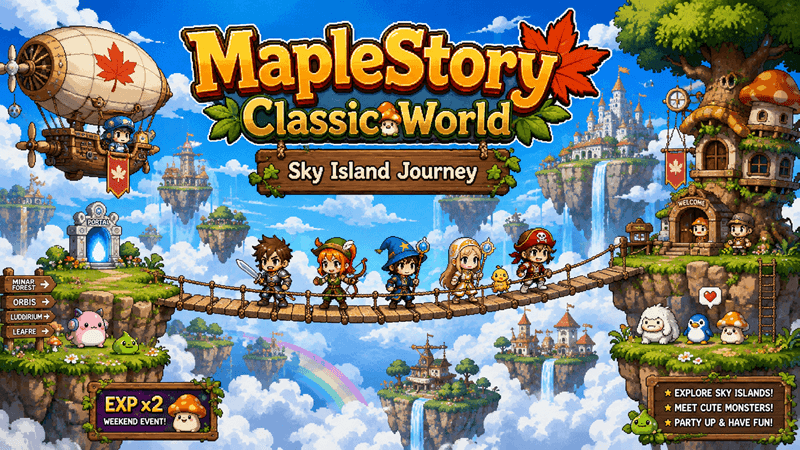
MapleStory Classic World is now open, giving both returning players and new adventurers an opportunity to experience a more traditional style of MapleStory progression. The game brings back the importance of exploration, job development, party cooperation, equipment upgrades and a player-driven economy in which every useful item can contribute to character growth.
In MapleStory Classic World, character progression is not determined by levels alone. Weapons, armor, accessories, scrolls, consumables and pets all influence how efficiently a player can train, complete quests and prepare for more difficult content. A well-planned equipment upgrade can improve damage, reduce potion use and make an entire leveling route more comfortable.
This guide introduces the main item categories in MapleStory Classic World and explains how weapons, gear, equipment, scrolls and pets support long-term progression. It also covers item value, class requirements, upgrade planning, market behavior and common mistakes that new players should avoid when building their first character.
MapleStory Classic World Item Summary
Weapons are usually the most noticeable source of early damage improvement.
Gear and equipment include armor, hats, gloves, shoes, accessories and class-specific items.
Scrolls can improve item statistics but may involve success rates and upgrade risks.
Pets can provide convenience, item collection support and additional progression features.
Item prices depend on supply, demand, class popularity, level requirements and upgrade quality.
Players should keep enough Mesos for both equipment upgrades and normal training expenses.
Current game status: MapleStory Classic World is open and available for players to begin building characters, collecting equipment and participating in the growing game economy. Content, balance values and item availability may continue to expand through future updates.
What Makes MapleStory Classic World Different?
MapleStory Classic World follows a slower and more deliberate progression structure than many modern online games. Players begin with limited resources and gradually develop their characters through combat experience, job advancement, quests, equipment drops and trading. Small improvements can remain valuable for a meaningful amount of time because characters do not automatically receive a complete replacement set every few levels.
This structure gives items a stronger identity. A new weapon can noticeably change the number of attacks required to defeat a monster. Better armor may allow a character to remain in a training map longer before returning to town. A useful scroll can turn an ordinary item into something valuable, while a rare accessory may remain relevant across several stages of progression.
The classic economy also encourages players to communicate. Equipment that is useless for one class may be highly desirable for another. A Warrior may sell a Bowman weapon, a Magician may trade a Thief accessory and a party member may share a quest material with someone who needs it. Understanding item value becomes part of understanding the game itself.
Understanding MapleStory Classic World Items
The word “items” describes almost everything a character can collect, equip, consume, trade or store. This includes weapons, armor, accessories, scrolls, potions, materials, quest objects, ammunition, pet-related products and special rewards. Some items are intended for immediate use, while others become more valuable when saved for a later quest or sold to another player.
New players should avoid treating every drop in the same way. Selling all materials to an NPC may create quick Mesos but can remove something required for a future quest. Saving everything can also become a problem because limited inventory space forces frequent town visits. Efficient players learn which items should be equipped, traded, stored or sold.
Item requirements are equally important. Equipment may require a specific level, job, statistic or weapon type. An item with excellent attributes provides no immediate value when the character cannot equip it. Before purchasing an upgrade, players should verify every requirement and consider how long it will remain useful.
MapleStory Classic World Weapons
Weapons are often the most influential equipment category during early and middle progression. A stronger weapon increases damage, allowing monsters to be defeated with fewer attacks. Faster defeats can improve experience rates, reduce incoming damage and lower the number of health or mana potions used during a training session.
Weapon Types and Class Identity
Different jobs rely on different weapon categories. Warrior-style characters may use swords, axes, spears, polearms or blunt weapons depending on their advancement path. Magician-style characters normally use magical weapons that support spell-based damage. Bowman-style characters require bows or crossbows, while Thief-style characters may use claws, daggers or other specialized equipment.
A weapon should be evaluated according to more than its required level. Base attack, attack speed, upgrade potential, class compatibility and market price all matter. An expensive high-level weapon may be a poor investment if the player will replace it shortly after reaching the next advancement stage.
Clean and Upgraded Weapons
A clean weapon has not yet received scroll upgrades, while an upgraded weapon may contain additional attack or statistics. Upgraded weapons can be valuable, but buyers should compare the final attributes with the remaining upgrade slots and total asking price. A weapon with one successful scroll is not automatically worth much more than a clean version.
Players should also consider whether they want to purchase a completed weapon or build one themselves. Buying a completed item provides predictable results. Scrolling a clean weapon may produce something stronger, but it can also consume significant Mesos without guaranteeing success.
Gear and Equipment Categories
Gear and equipment are broad terms that cover the items worn by a character. Depending on the available content, this can include hats, tops, bottoms, overalls, gloves, shoes, capes, shields, earrings, necklaces and other accessories. Each slot contributes to the character’s overall statistics and appearance.
Armor and Defensive Gear
Armor reduces damage or provides statistics that support a character’s class. Defensive upgrades may appear less exciting than a new weapon, but they can improve training efficiency by reducing potion consumption and preventing deaths. This becomes increasingly important when players move into maps with stronger monsters.
Not every armor upgrade is worth purchasing. Replacing several pieces for very small improvements can consume Mesos that would create a larger benefit elsewhere. Players should identify the weakest important slot and compare the improvement with the cost.
Gloves, Shoes and Capes
Gloves, shoes and capes can provide useful class statistics, defense, mobility or upgrade potential. Some pieces become valuable because they can receive desirable scrolls. Two items with the same level requirement may have very different market prices when one has better base attributes or more valuable upgrade possibilities.
Accessories
Accessories may include earrings, necklaces, rings and other special items. These pieces can be difficult to replace because they may come from specific quests, monsters or group activities. A useful accessory can remain relevant longer than ordinary armor, especially when it offers statistics that are otherwise difficult to obtain.
How Scrolls Improve Equipment
Scrolls are upgrade items used to improve weapons, armor or accessories. Depending on the scroll, a successful attempt may add attack, magic attack, strength, dexterity, intelligence, luck, defense, accuracy or another useful statistic. The correct scroll can significantly increase the performance and market value of an item.
Scrolls often have different success rates. A high-success-rate scroll may provide a smaller improvement, while a lower-success-rate scroll can offer a stronger result with greater risk. Failed attempts may consume an upgrade slot, depending on the scroll and current game rules. This makes scrolling both an equipment system and an economic decision.
Before using a scroll, players should calculate the combined cost of the base item and every planned attempt. Scrolling a low-value weapon that will soon be replaced may not be efficient. Valuable scrolls are normally better reserved for equipment that will remain useful for a longer period.
Scroll Planning Tip
Decide your maximum budget before beginning an upgrade project. Do not continue buying scrolls only because previous attempts failed. A clear spending limit protects the Mesos required for normal progression.
Pets and Player Convenience
Pets are popular because they combine personality with practical convenience. They accompany the character during exploration and may support item collection or other useful functions depending on the pet system available in the current version. For players who spend long periods training, convenience improvements can reduce repetitive actions and make the experience smoother.
A pet should still be evaluated according to the player’s needs. Some players value appearance and companionship, while others focus on utility. Before purchasing a pet or pet-related item, check its duration, compatibility, available functions and any additional products required to maintain those functions.
Pet equipment can introduce another progression category. When supported by the game, pet gear may have its own statistics or scroll options. These upgrades should normally come after the character has reliable weapons, armor and training supplies.
Consumables, Materials and Quest Items
Consumable items include health potions, mana potions, food, ammunition and temporary-use products. These items may appear ordinary, but they determine how long a character can remain in a training map. A player with strong equipment but insufficient supplies may progress less efficiently than a moderately equipped character with a sustainable inventory.
Materials and monster drops can be required for quests, crafting-like systems or exchanges. Their value may increase when many players reach the same quest stage. Before selling a large quantity, check whether the material has a known use or active demand among other players.
Quest items should be organized carefully. Some may disappear after completing an objective, while others remain in the inventory until manually removed. Keeping quest items separated from equipment and trade materials makes inventory management easier and reduces accidental sales.
Building Equipment for Different Classes
Warrior Equipment
Warriors normally prioritize weapons and equipment that support close-range physical damage and durability. Weapon choice can affect attack speed, range and skill compatibility. Defensive gear also matters because Warriors regularly fight within enemy contact range.
Magician Equipment
Magicians value equipment that supports magical damage, mana and class requirements. A useful magical weapon can produce a noticeable improvement, but players must continue budgeting for mana potions. Damage equipment provides little value when the character cannot afford to maintain normal spell usage.
Bowman Equipment
Bowmen rely on ranged weapons and equipment that supports consistent physical attacks. Players should remember ammunition requirements and compare the cost of stronger weapons with the amount saved for training supplies. Accuracy and positioning can be as important as raw damage during early progression.
Thief Equipment
Thieves may compete for desirable claws, daggers, throwing supplies and stat-focused gear. Popular equipment can become expensive when many players choose the same class. Thief players should compare several alternatives instead of purchasing the first item that meets their level.
How Item Prices Change
Item prices are influenced by supply, demand, character population and progression speed. During the early period of an open server, useful equipment may be expensive because only a small number of players can obtain it. As more players reach the relevant maps, supply increases and prices may become more stable.
Demand also changes over time. Early weapons and armor may sell quickly when thousands of characters are leveling through the same range. Later, buyers may focus on rare scrolls, stronger weapons, accessories and equipment with successful upgrades.
An uncommon item is not automatically valuable. Market value depends on whether players actually want it. Equipment for a popular class may sell faster than a rarer item with limited practical use. Sellers should study completed trades and current listings before setting a price.
Trading and Shopping Safely
Before completing a trade, confirm the item name, level requirement, statistics, remaining upgrade slots and final price. Similar items can have very different values when one has successful scrolls or better base attributes. Buyers should take enough time to inspect every detail.
Players should also compare prices instead of purchasing immediately. A good item may appear expensive because the seller is testing the market rather than following a normal price. Waiting and checking additional listings can prevent unnecessary spending.
When selling equipment, accurate descriptions build trust. Clearly state whether the item is clean or upgraded and include relevant statistics. A transparent seller is more likely to attract repeat buyers and maintain a positive reputation in the community.
Common Item Progression Mistakes
Spending Everything on One Weapon
A powerful weapon is useful, but spending every available Meso can leave the character unable to buy potions, travel or complete another necessary upgrade. Keep a reserve for ordinary gameplay before making a major purchase.
Buying Equipment Without Checking Requirements
Always check the required level, job and statistics. An item cannot improve progression while it remains unusable in storage. This is particularly important when buying equipment several levels in advance.
Overpaying for Small Improvements
A minor statistical increase may not justify a large price difference. Compare how many additional attacks the upgrade actually saves and how soon the item will be replaced.
Using Expensive Scrolls Too Early
Rare scrolls should normally be used on items valuable enough to justify the cost. Applying an expensive scroll to temporary leveling equipment can create a poor return even when the attempt succeeds.
Ignoring Consumable Costs
Damage is only one part of efficiency. A character that consumes too many potions may earn less profit even while defeating monsters quickly. Sustainable training is more valuable than short bursts of expensive performance.
A Practical Equipment Upgrade Plan
Check whether your current weapon is preventing efficient monster defeats.
Replace armor only when the defensive or statistical improvement is meaningful.
Keep enough Mesos for potions, transportation and job-related expenses.
Compare clean equipment with already upgraded alternatives.
Use valuable scrolls on items that will remain useful for an extended period.
Add convenience items and pet upgrades after essential combat needs are covered.
This order creates balanced progression. The character receives useful improvements without becoming unable to afford normal activities. Equipment should make the game easier and more efficient, not create a financial problem that requires additional farming before training can continue.
Why Weapons, Gear, Equipment, Scrolls and Pets Are Important
MapleStory Classic World weapons, gear, equipment, scrolls and pets are important because they shape every part of character progression. Weapons improve damage, armor increases survivability, accessories provide valuable statistics, scrolls create stronger customized equipment and pets add convenience during long training sessions. Choosing the correct upgrades can reduce potion costs, improve leveling speed and prepare a character for more demanding maps and group activities. Players looking for useful weapons, gear, equipment, scrolls, pets or other upgrades can visit LootWoW to Buy MapleStory Classic World Items and explore available options for different classes and progression stages.
Building a complete equipment setup also requires enough currency to compare upgrades, purchase supplies and respond when a valuable item becomes available. Mesos give players the flexibility to obtain stronger weapons, replace outdated gear, purchase useful scrolls and support normal training expenses without interrupting progression. Players who need additional currency for equipment development can visit LootWoW to Buy MapleStory Classic World Mesos and review the available MapleStory Classic World currency options.
WHY CHOOSE LootWoW?
-
 SECURITY GUARANTEE
Provide 100% secure online payment system and we accept paypal payment. The most professional game service provider guarantee the security of products.
-
 FAST DELIVERY
95% orders completed in 15 minutes, professional online service, reply to the customers questions within 20 second.
-
 CHEAP PRICES
More than 90% of products have cheaper prices than the market, our VIP member will get 5% discount plus. Enjoy now.
-
 100% REFUND
Once you buy wow gold via Paypal,it is 100% guaranteed. If your order is delayed or undeliverable, you will receive a full refund.


-
So far it's been a really quick and pretty safe experience using AH.
Vidox -
so far was a really quick experience, using AH without problem and even with recommendation of the chat to not use green items and relist some epic instead. By now i have nothing bad to say and we will see in time if blizzard have something to say in my account hehe
Danama