














WoW Camelot 1.60 Update: What the Latest Builds Could Mean for Classic Plus
Source:Blizzard

WoW Camelot 1.60.1 Update: What the Latest Builds Could Mean for Classic Plus
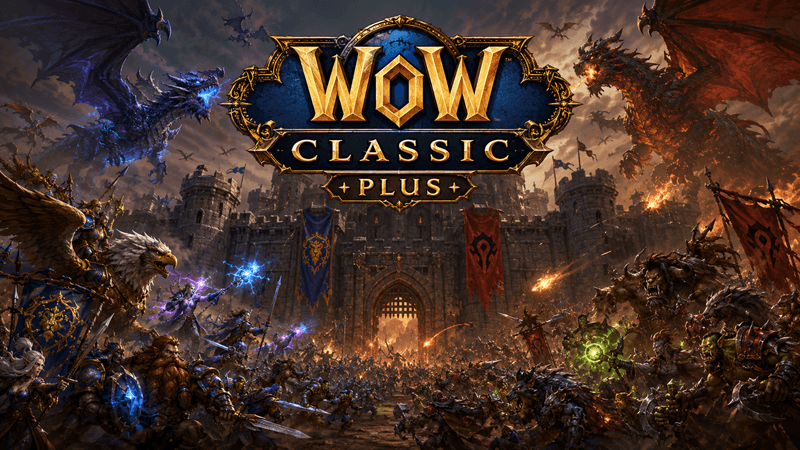
Project Camelot is still hidden behind encrypted World of Warcraft builds, but the mystery is becoming increasingly difficult for Classic players to ignore. Patch 1.60 has continued to receive development activity, vendor builds have appeared, and the first 1.60.1 version has now added another clue to the puzzle.
None of these discoveries confirm what Camelot will eventually become. They do, however, give players more reasons to watch Blizzard's Classic plans closely as speculation around a possible WoW Classic Plus project continues to grow.
1. Why Patch 1.60 Was Interesting From the Beginning
World of Warcraft Classic players have learned not to treat every mysterious build as a major announcement. Blizzard regularly tests content internally, and many development branches never become the product that players imagine.
Patch 1.60 attracted more attention because its numbering did not fit neatly into the progression players were used to seeing from existing Classic projects.
Classic Era, seasonal projects and other versions have created expectations around how branches are numbered. A separate 1.60 line therefore encouraged speculation that Blizzard might be developing something with a more independent technical foundation.
A version number alone cannot prove that Camelot is Classic Plus. Its importance comes from how that clue connects with several other discoveries.
2. The Camelot Codename Changed the Conversation
Once the 1.60 branch became associated with the Camelot codename, discussion moved from an anonymous technical build toward something players could actually follow.
The name does not necessarily describe the setting, story or final marketing identity of the project. Internal codenames are often chosen for reasons that never become visible to the public.
However, the discovery made it much easier for dataminers and players to connect new developments to the same project.
3. Why Moving to a Vendor Server Matters
One of the more interesting recent developments was the appearance of the Camelot build on a vendor server rather than remaining exclusively inside a normal internal development environment.
Vendor environments can be used when outside partners need access for compatibility, hardware, software or other forms of testing. That does not automatically mean a public beta is about to begin.
It does suggest that the project may be reaching a stage where more than Blizzard's core internal development team needs to interact with it.
Camelot may be entering broader testing or compatibility work. It does not confirm a player-facing alpha or beta.
4. Patch 1.60.1 May Be More Important Than It Looks
The appearance of a first 1.60.1 build immediately created another wave of Classic Plus speculation.
If 1.60 represents the initial Camelot foundation, then 1.60.1 could simply be an ordinary internal iteration. It could also represent work on content planned beyond the project's initial release state.
Without access to the encrypted content, players cannot know which interpretation is correct.
5. A China Vendor Build Adds Another Piece to the Puzzle
Another notable discovery was Camelot-related activity appearing on a Chinese vendor server.
This has naturally encouraged speculation about localization and the possibility of a coordinated global release.
Players should remain careful here. A vendor build does not confirm the project's launch schedule, but it is another sign that development activity is not limited to a single isolated environment.
6. Heroic and Epic Licenses Make Camelot Look More Like a Product
One of the discoveries that separates Camelot from a simple experimental branch is the appearance of Heroic and Epic licenses using the World of Warcraft Camelot name.
World of Warcraft players already associate Heroic and Epic naming with packaged editions and promotional rewards. That makes the licenses particularly interesting when combined with encrypted promotional assets.
It still does not guarantee that Blizzard will sell a final product literally called World of Warcraft: Camelot. Backend names can change before a public reveal.
Edition-style licenses suggest a project with packaging and promotional planning, which feels more substantial than a small experimental Classic season.
7. Does This Finally Confirm WoW Classic Plus?
No.
Classic Plus remains a community term rather than an officially announced Blizzard product. Players generally use it to describe a version of Classic WoW that keeps the old-world foundation while adding new zones, raids, quests, classes, balance changes or other content.
Camelot attracts Classic Plus speculation because an independent 1.60 branch could theoretically provide Blizzard with more freedom than continuing to build another seasonal project directly on top of existing Classic infrastructure.
That remains an interpretation, not confirmation.
8. Why Players Want Classic Plus to Be More Than Another Season
Season of Discovery demonstrated how dramatically Blizzard could change familiar Classic gameplay without abandoning the original world.
For many players, however, the dream of Classic Plus is larger than a temporary seasonal ruleset.
They imagine a persistent version of Azeroth where unfinished areas can become real zones, underused dungeons gain new relevance and familiar classes receive careful development without turning the game into modern Retail WoW.
9. Camelot Could Still Be Something Different
The Classic community has spent years imagining what Blizzard should build, which makes it easy to interpret every Camelot discovery through the Classic Plus idea.
That creates a risk: players can become so confident in their preferred explanation that they begin treating speculation as leaked fact.
Camelot could resemble the community's idea of Classic Plus. It could also use an unexpected progression model, new realm structure or design direction that does not fit neatly into that label.
Follow the evidence, but leave enough room for Blizzard to surprise everyone.
10. What Should Players Watch Next?
The next meaningful Camelot clue may not come from a dramatic leak. Small technical changes can sometimes tell players more than a single promotional asset.
| What to Watch | Why It Matters |
| New 1.60.x Builds | Could show whether development is accelerating or branching further. |
| Additional Vendor Activity | May suggest wider testing or compatibility work. |
| Battle.net Product Changes | New licenses or store-related data could reveal how the project will be packaged. |
| Promotional Assets | Mounts, cosmetics or edition rewards may reveal more about the scope of the project. |
| Official Blizzard Announcement | This is the only point where speculation becomes confirmed product information. |
11. Should You Start Planning a Camelot Character Yet?
There is nothing wrong with thinking about the kind of character you would like to play if Camelot becomes a new Classic adventure.
Players can already think about whether they prefer melee or ranged combat, solo or group progression, gathering or crafting professions and whether they want to level casually or race toward endgame content.
What players should avoid is building a detailed launch plan around systems Blizzard has never revealed.
What We Know vs What Players Are Speculating
| Evidence / Datamined | Still Speculation |
| A 1.60 branch associated with Camelot exists. | Camelot is definitely the final public name. |
| 1.60.1 has appeared in development. | 1.60.1 is definitely the first post-launch phase. |
| Vendor-server activity has been detected. | A public beta is about to start. |
| Heroic and Epic Camelot licenses have been datamined. | The final game will use the same edition names and rewards. |
| Camelot-related activity appeared on a China vendor server. | A simultaneous worldwide release is confirmed. |
WoW Camelot 1.60.1 FAQ
Camelot is the name associated through datamining with World of Warcraft's mysterious 1.60 development branch. Blizzard has not officially announced what the project is.
That has not been officially confirmed. Classic Plus is a community description for a potential expanded version of Classic WoW, and many players believe Camelot could fit that idea.
Patch 1.60.1 is a newer internal version connected with the mysterious Camelot development branch. Its actual content remains encrypted.
Not necessarily. It may represent future content development, but it could also simply be a normal internal version update.
Vendor-server activity suggests the project may need broader compatibility or partner testing. It does not confirm a public beta.
There is no confirmation. Camelot may remain the final name, become part of a longer product name or disappear when Blizzard announces the project publicly.
Heroic and Epic licenses using the World of Warcraft Camelot name have been found through datamining. Blizzard has not announced the final editions, pricing or rewards.
Blizzard has not provided an official announcement date. Until then, new builds and datamining should be treated as clues rather than a confirmed release schedule.
One mysterious internal build would be easy to dismiss. Camelot now has a codename, a continuing 1.60 branch, a 1.60.1 update, vendor-server activity, China-region activity and edition-style licenses connected to the project.
None of that proves that the community's dream version of Classic Plus is about to arrive. What it does show is that Blizzard appears to be investing real development effort into something separate enough to keep Classic players watching closely.
Until Blizzard finally reveals the project, the smartest approach is simple: follow the builds, separate evidence from speculation and enjoy the fact that the future of Classic World of Warcraft may still have a few major surprises left.