


















MapleStory Classic World Beginner Guide: How to Prepare for Launch
Source:NEXON

MapleStory Classic World Beginner Guide: How to Prepare for Launch
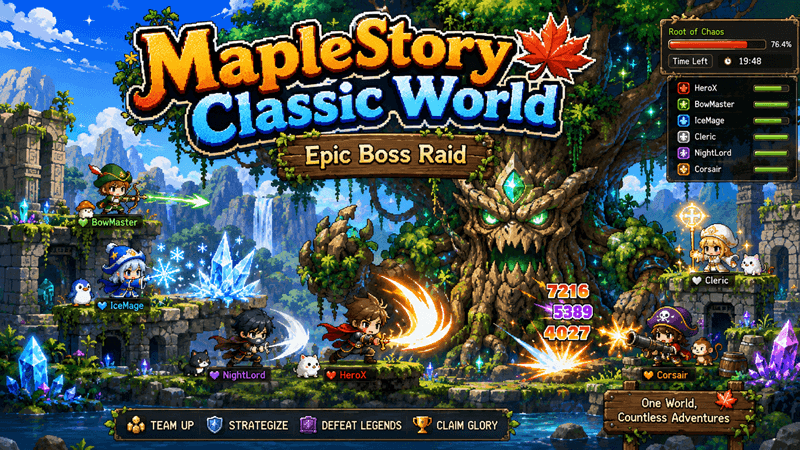
Global MapleStory Classic World is one of the most closely watched upcoming releases for players who miss the slower, social and pre-Big Bang style of MapleStory. Instead of beginning with dozens of modern progression systems, the new world is being built around the original adventurer paths, deliberate leveling, meaningful equipment upgrades, party play and an economy in which ordinary monster drops can remain valuable.
As of August 2026, Nexon has not announced a final public launch date. However, the project has entered another important testing stage, showing that development has progressed beyond an early concept. The current direction includes first, second and third Job Advancements, additional regions, expanded platform support and language options for global players.
Because MapleStory Classic World is still being tested, individual skill values, experience rates, maps, rewards and economy rules may change before the official release. The best preparation is therefore not memorizing one temporary damage formula. It is understanding how classic MapleStory progression works: choose a class you enjoy, spend Ability Points carefully, build a sustainable training route, manage equipment upgrades, cooperate with other players and protect your Mesos.
MapleStory Classic World Quick Summary
MapleStory Classic World is an official project focused on recreating an early MapleStory experience.
The final global release date has not been announced.
The original adventurer paths begin with Warrior, Magician, Bowman and Thief.
Classic progression places greater value on map knowledge, equipment, scrolls, consumables, parties and Mesos.
Launch balance, level limits, server structure and trading rules should be checked again after the final release announcement.
A prepared player should select a class, learn early maps, understand basic stat allocation and enter launch with an economy plan.
Development notice: MapleStory Classic World is still being tested and does not currently have a confirmed public release date. Experience rates, skill values, available maps, trading systems and progression rules may be adjusted before launch.
What Is MapleStory Classic World?
MapleStory Classic World is designed to bring back the identity of early Global MapleStory without assuming that a classic release must be a completely unchanged museum copy. Its appeal comes from the original 2D side-scrolling world, recognizable towns, slower character development, dangerous travel, party quests and the feeling that a useful equipment drop can change a player's entire week.
Modern MapleStory frequently moves players toward high-level progression systems. A classic environment makes the journey itself important. Traveling from Maple Island to Victoria Island, completing the first Job Advancement, saving for equipment, locating a reliable training map and meeting players who return to the same channels can all become meaningful parts of progression.
Classic World may also include practical quality-of-life decisions and content created specifically for the new service. Veterans should not assume that every historical database entry, monster statistic, skill build or quest route will match one older version exactly. Previous experience will help, but current in-game descriptions and official updates must remain the final authority.
Current Release Status and Test Direction
MapleStory Classic World has entered closed testing, but a final public release date has not been provided. Any website promising a guaranteed global launch day before an official announcement is relying on speculation.
Current testing has included traditional Job Advancement progression and content beyond the earliest areas. This indicates that Classic World is being prepared as an ongoing MMORPG experience rather than a limited nostalgia demonstration.
Testing does not guarantee that every feature will appear unchanged on release day. Experience rates, skill values, monster density, scroll behavior, shop prices, item availability, party rewards and economic restrictions can all be adjusted after player feedback. Use testing information to understand systems and class identity, not to build an inflexible plan around one exact number.
Choosing Your First Class
Your first character will influence how quickly you level, how much you spend, which maps feel comfortable and how easily you join groups. The best class is not automatically the class with the highest theoretical damage. A stable launch character should match your preferred combat range, budget and willingness to depend on consumable items.
Warrior
Warriors are straightforward melee characters with a strong physical identity and durable equipment. They are attractive to beginners who enjoy close-range combat and visible weapon upgrades. Their early challenge is reaching enemies safely and maintaining enough accuracy against stronger monsters. Weapon choice can also affect the training rhythm, so a good Warrior pays attention to attack speed, reach and replacement cost.
Warriors benefit from a clear stat plan and a practical supply of healing items. Do not spend every Meso on a weapon if doing so leaves no budget for armor, potions, transportation or later equipment.
Magician
Magicians use ranged spells and normally develop a recognizable class identity very early. Their strengths include safer positioning, elemental specialization and access to skills that can make training efficient. Their limitations include Mana Potion expenses and the need to understand Magic-related stat allocation.
A Magician can feel powerful when the player prepares enough MP recovery items and selects monsters that can be defeated efficiently. It can feel expensive when the player repeatedly uses high-cost skills on targets that provide poor experience. Track the relationship between potion cost, kills per minute and experience gained.
Bowman
Bowmen reward players who enjoy ranged attacks, spacing and consistent physical damage. Their early game can require careful positioning because classic-style ranged skills may have distance or platform limitations. Bows, crossbows, arrows, accuracy and attack speed can all influence comfort.
A Bowman should learn maps with long platforms and predictable monster movement. The class performs best when it can attack continuously instead of stopping to reposition after every shot. Equipment progression matters, but a smooth training location may be more valuable than a small damage increase.
Thief
Thieves offer mobility, speed and two very different early directions: ranged throwing-star gameplay or close-range dagger combat. Assassins may need to budget for throwing stars and equipment that supports their damage pattern. Bandits fight closer to enemies and may have different weapon and potion priorities.
The Thief path can be extremely rewarding for players who enjoy active movement and optimization. It can also punish careless Ability Point allocation. Before spending points, confirm the requirements shown by the live version instead of following an old guide written for another region or patch.
First-Character Recommendation
Select the class whose normal training style you enjoy. A temporary ranking may change after a balance update, but combat range, movement style, consumable costs and weapon preferences will affect every hour you play.
A Safe Early-Leveling Plan
Your first objective is not reaching the maximum level faster than everyone else. Your first objective is creating a character that can continue progressing without running out of Mesos, potions or motivation.
Levels 1–10: Learn Movement and Collect Useful Drops
Complete beginner quests, learn the controls and pick up ordinary monster drops. Early items may be used for quests, sold to NPCs, traded to other players or required by crafting systems. Inventory space is limited, so learn which items have a clear purpose and which can be sold.
Do not rush past every dialogue box. Job Advancement requirements, transportation routes and basic equipment explanations may differ from the version you remember. A few minutes of reading can prevent a permanent stat or skill mistake.
Levels 10–30: Build a Sustainable Routine
After first Job Advancement, focus on a repeatable combat cycle. Choose monsters that you can defeat quickly with limited potion use. A monster with slightly lower experience can be better than a stronger enemy when the easier map provides faster respawns, safer platforms and less downtime.
Upgrade equipment when the improvement is meaningful. Replacing every item at the exact recommended level can drain your Mesos. Prioritize weapons and equipment that solve a real problem, such as low damage, insufficient accuracy or poor survivability.
Level 30 and Beyond: Specialize With a Purpose
Second Job Advancement changes how each class trains. Select the branch whose gameplay you genuinely want to use. Do not choose a path only because a temporary tier list ranks it highly. Class balance can change, while an enjoyable playstyle remains valuable for hundreds of hours.
At this stage, party content, stronger maps and equipment planning become more important. Keep an emergency fund instead of spending your entire wallet on one scroll attempt. Classic economies reward players who recognize opportunities, and those opportunities often appear when other players need immediate Mesos.
Ability Points and Skill Points
Classic MapleStory progression can punish random stat allocation more heavily than many modern games. Your main stat improves class performance, while a secondary stat may support accuracy, equipment requirements or another class-specific function. The exact best allocation will depend on Classic World's final formulas and item design.
Follow three rules. First, read the live Job Advancement and equipment requirements. Second, avoid experimental points unless a reset method is confirmed and affordable. Third, do not copy low-secondary-stat or statless builds without understanding their equipment assumptions. An optimized build can become weaker than a standard build when the required gear is unavailable or too expensive.
Skill Points require the same discipline. Maxing a visually impressive attack first may reduce mobility, resource efficiency or survivability. During launch week, prioritize a build that trains consistently. After official skill information becomes stable, advanced players can compare exact damage, mastery, critical chance, attack range and MP cost.
Training Efficiently Without Burning Mesos
Efficiency is not simply experience per monster. A useful measurement includes travel time, map competition, potion use, death risk, loot value and how often you must return to town.
Test a map for fifteen to twenty minutes. Record your experience gain, potion consumption and valuable drops. Then compare another map at the same level. This practical method is more reliable than blindly following a popular recommendation when that map is overcrowded.
Map layout matters. Melee classes prefer routes that reduce climbing and allow continuous contact. Ranged classes benefit from safe platforms and long attack lanes. Magicians may value grouped spawns that match area skills. Thieves may benefit from layouts where mobility creates a real advantage.
Channel awareness will also matter. During launch, famous training maps may be full. Learn two or three alternatives for every major level range. A slightly weaker map with no competition can produce better results than a perfect map shared with several players.
Equipment, Scrolling and Upgrade Discipline
Equipment is one of the main long-term goals in a classic economy. Base weapon attack, stat rolls, attack speed, defense and remaining upgrade slots can all affect value. A lower-level item with excellent results may outperform a higher-level item with unsuccessful upgrades.
Scrolling introduces risk. Before using an upgrade item, ask four questions: How expensive is the base item? How difficult is it to replace? What is the expected value of the scroll? Can you continue progressing if the attempt fails? Players often lose more Mesos through emotional upgrade decisions than through normal leveling expenses.
For a first character, consistency is normally better than gambling. Use reliable upgrades on replaceable equipment and reserve expensive attempts for items you understand. Keep your previous equipment until the replacement is complete. Never destroy or sell your current weapon before confirming that the new weapon is usable.
Party Quests and Social Progression
Classic MapleStory is remembered as a social game because cooperation frequently creates practical advantages. Party quests can provide experience, items and a reason to build a reliable network. A regular group can also reduce the time spent recruiting for every run.
Prepare before joining. Bring enough potions, understand the entry requirements and leave inventory space for rewards. Listen to instructions when mechanics are unfamiliar. A player with average damage who communicates well is often more valuable than a strong player who repeatedly causes a failure.
Guilds and friend lists can become economic tools as well as social features. Trusted players share map information, trade equipment, organize boss attempts and help each other locate rare items. Reputation matters in a player-driven market. Fair trading and dependable behavior can create opportunities that no leveling guide can guarantee.
How to Prepare Before the Official Launch
Choose two possible classes. Your preferred character may feel different after final balance adjustments. Learn the first Job Advancement location and basic stat logic for both choices.
Create a launch route with alternatives. Plan a main quest path, one backup training map for each level range and a town-return schedule for selling drops and restocking potions.
Decide your economy rules before playing. Keep a fixed potion reserve, save a percentage of every large sale and avoid high-risk scrolling until you own replacement equipment.
Follow official announcements. Final server regions, release time, download instructions, name reservation rules, account requirements and trading restrictions should come from Nexon rather than rumors.
Protect your account. Use a unique password, enable available security options and avoid unofficial beta keys, account-sharing offers or suspicious downloads.
A Practical Launch-Week Plan
Day 1: Establish a Correct Foundation
Focus on creating your character correctly, completing early quests and reaching first Job Advancement without unnecessary spending. Pick up useful drops, but do not spend too much time attempting to sell low-value items during the opening rush.
Days 2–3: Establish a Training Route
Compare potion costs, experience rates and map competition. Begin learning which equipment, quest items and monster drops other players are actively purchasing.
Days 4–5: Build Social and Equipment Progress
Organize party content, improve equipment selectively and create a small list of trusted players. Avoid changing your entire build because of one early ranking video or a temporary result from a small group of players.
End of Week 1: Separate Your Budget
Separate operating Mesos from upgrade Mesos. Operating Mesos pay for potions, travel, arrows, throwing stars and ordinary progression. Upgrade Mesos are the amount you can risk without preventing your character from continuing to train.
Common MapleStory Classic World Beginner Mistakes
Copying Historical Builds Without Checking the Current Client
Classic World is inspired by early MapleStory, but it can contain original content, adjusted skills and new systems. A guide from another year, region or private server may use different formulas.
Training Only at Famous Maps
High competition, poor positioning and constant channel switching can destroy efficiency. Always prepare backup maps.
Spending Everything on Visible Damage
A strong weapon is useful, but a character without potions, transport funds or replacement equipment cannot maintain progress.
Scrolling Emotionally
After one failed attempt, some players continue spending because they want to recover the loss. Every scroll attempt should be evaluated independently and should never consume the funds required for normal progression.
Ignoring Social Reputation
Dishonest trades and abandoned parties may create a small short-term advantage, but they reduce access to reliable groups, guilds and trusted markets.
MapleStory Classic World Frequently Asked Questions
Is MapleStory Classic World Officially Released?
No final public release date has been announced. MapleStory Classic World remains in testing, so players should follow official announcements for the final schedule.
Will Classic World Be Identical to Old Global MapleStory?
Not necessarily. It is based on the classic MapleStory experience, but testing may include quality-of-life decisions, additional content and systems that differ from a specific historical patch.
Which Class Should a Beginner Choose?
Warrior is attractive for durable melee gameplay, Magician for spell-based ranged combat, Bowman for consistent ranged physical attacks and Thief for mobility and specialized weapon styles. The best choice depends on your preferred gameplay and budget.
Will Test Characters Transfer to the Official Release?
Players should assume test progression will not transfer unless Nexon explicitly announces otherwise. Closed tests are intended to gather feedback and validate systems rather than provide permanent character progression.
How Many Mesos Should I Save Before Upgrading Equipment?
Maintain enough Mesos for potions, transportation, class supplies and unexpected replacement costs. An upgrade is not truly affordable when purchasing it prevents normal training.
Why Mesos Matter in MapleStory Classic World
Mesos are the foundation of steady progression in MapleStory Classic World. Players use them for potions, transportation, equipment, weapons, arrows, throwing stars, crafting materials, scrolls, market purchases and preparation for party or boss content. A healthy Meso reserve allows you to react to useful listings and upgrade opportunities without interrupting your leveling route, while poor money management can leave even a powerful character unable to train efficiently.
Players who want additional currency support after the official service launches can visit LootWoW. Availability, server coverage, delivery methods and order requirements will be updated according to the final game rules. Visit LootWoW to Buy MapleStory Classic World Mesos and prepare a more flexible budget for equipment, consumables, scrolling and future character progression.