













How Beginners Should Plan Materials, Time, and Kinah in Aion2 Phase 1
Source:nc

AION 2 Resource Management Guide: How Beginners Should Plan Materials, Time, and Kinah in Phase 1
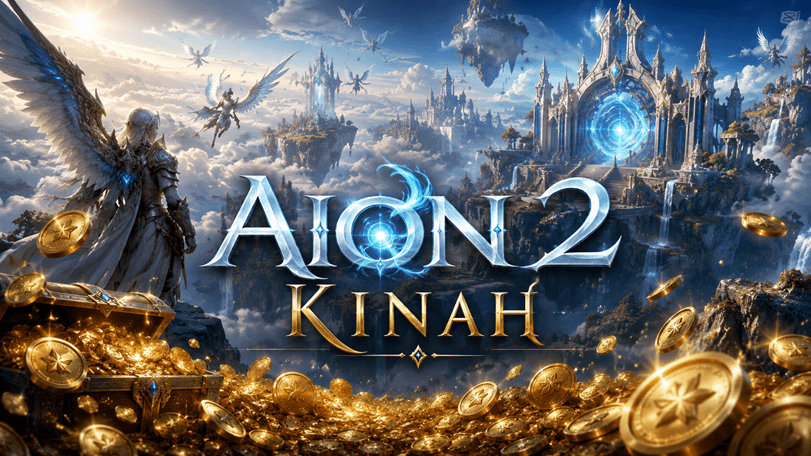
AION 2 will introduce a new economy where every beginner must decide how to use limited resources. During the first phase after launch, players will collect materials, earn Kinah, upgrade equipment, unlock systems, and discover which activities provide the best long-term value.
Many new players believe progression is only about earning more currency. However, experienced MMORPG players understand that resource management is equally important. The player who uses resources efficiently can often progress further than someone who simply spends more.
In AION 2 Phase 1, beginners need to manage three major resources:
Time investment
Materials and inventory value
Kinah spending decisions
This guide explains how new players can build a stronger foundation by understanding resource priority, avoiding waste, and making smarter progression choices.
AION 2 Phase 1 Resource Philosophy
The goal of resource management is not saving everything forever. The goal is making sure every decision creates meaningful progression value.
1. Understand That Time Is Also A Resource
Many beginners only think about visible resources such as Kinah and materials. However, time is often the most valuable resource during a new MMO launch.
Every activity has an opportunity cost. Spending two hours farming one material means you are not completing quests, exploring content, improving your character, or discovering new systems.
A strong Phase 1 strategy does not ask:
Instead, ask:"Which activity creates the highest value for my current goal?"
This mindset helps beginners avoid wasting early launch hours on activities that provide limited long-term benefits.
2. Create Different Categories For Your Materials
One of the biggest beginner mistakes is treating every item in the inventory the same way.
A material can have different values depending on your current situation. Something that looks useless today may become important later, while another item may be better converted into immediate Kinah.
A simple Phase 1 organization system is dividing materials into three groups:
Personal progression materials:Resources you expect to need for your own character.
Market materials:Items with strong player demand and trading value.
Low-priority materials:Resources without immediate value or clear usage.
This simple classification prevents beginners from accidentally selling important resources or keeping items that provide little benefit.
3. Do Not Convert Every Material Into Kinah Immediately
Selling materials can create quick currency, but immediate profit is not always the best decision.
Beginners often see their Kinah balance increase and feel successful. However, they may later discover they need the same materials for progression and must purchase them back at higher prices.
Before selling valuable materials, consider:
Will my character need this resource soon?
Is this material difficult to replace?
Is current market demand temporary or stable?
Would keeping it save future costs?
Smart players do not always choose the option that gives immediate Kinah. They choose the option with the highest total value.
4. Build A Phase 1 Spending Priority System
Having Kinah is not enough. Beginners also need a clear spending order.
A common mistake is spending currency whenever an attractive item appears. This creates short-term improvement but can damage long-term flexibility.
A reasonable spending priority should usually follow this order:
Essential progression improvements.
Items that significantly improve efficiency.
Preparation for important content.
Optional convenience purchases.
The purpose of a spending system is not refusing to buy anything. It is making sure each purchase supports your character development.
5. Separate Personal Progression From Market Decisions
One of the most important economic habits in AION 2 is understanding that personal progression and market profit are two different goals.
A material that is valuable on the market may still be important for your own character. Selling everything for immediate Kinah can create problems later when you need the same resources.
Before making a market decision, ask yourself:
Is this item helping my current character progression?
Will I need this resource in the next stage?
Is the current market price unusually high?
Can I replace this resource easily?
Strong players are not only good at earning currency. They are good at knowing when not to sell.
6. Avoid Creating Too Many Short-Term Goals
During a new game launch, beginners often create too many objectives at the same time.
They want better equipment, more materials, higher crafting progress, more currency, and faster leveling simultaneously.
The problem is that resources are limited. Trying to optimize everything at once often results in inefficient progress.
Instead, choose a main short-term goal:
Improve your current combat efficiency.
Prepare for upcoming content.
Build a stable economic foundation.
Learn a specific game system.
A focused player usually progresses faster because every action supports the same direction.
7. Keep Flexible Resources During The Early Launch Period
The first phase of AION 2 will be a period of discovery. Players will continue learning which materials, activities, and progression paths are the most efficient.
Because the economy will continue changing, flexibility is extremely valuable.
A beginner who keeps some Kinah and useful materials available can react quickly when new information appears.
Phase 1 Strategy Reminder
Do not lock all resources into one decision too early. The launch environment changes quickly, and flexibility creates future opportunities.
8. Understand The Difference Between Saving And Hoarding
Saving resources is useful when you have a clear purpose. Hoarding everything without a plan is different.
Some beginners keep every material because they believe everything may become valuable later. However, this can create inventory problems and prevent useful decisions.
A good resource management system requires balance:
Keep resources with clear future value.
Sell unnecessary items that provide little benefit.
Review stored materials regularly.
Adjust decisions when the market changes.
The goal is not owning the most items. The goal is maximizing the value of what you own.
9. Build A Simple Weekly Resource Review System
A simple review system can help beginners improve their decisions over time.
At the end of each week, check:
How much Kinah was earned.
Which materials were collected.
Which resources were actually useful.
Which spending decisions created value.
Which activities were inefficient.
This process helps transform random gameplay into a planned progression strategy.
10. AION 2 Phase 1 Resource Checklist For Beginners
Before making important decisions, beginners can use this simple checklist:
Do I understand why I am spending this resource?
Will this decision improve my current progression?
Am I sacrificing future flexibility?
Could this material have another valuable use?
Am I making this decision based on information or emotion?
Following these questions can prevent many common early mistakes.
AION 2 Resource Management FAQ
Should beginners sell all extra materials for Kinah?
No. Some materials may have future value for progression or crafting. Always consider replacement cost before selling.
Is saving Kinah more important than upgrading?
Not always. The best decision depends on whether the upgrade creates meaningful improvement compared with other possible uses.
Should beginners focus on farming immediately?
Not necessarily. Understanding the game and building efficient habits can create more value than repetitive farming.
Will resource values change after launch?
Yes. Player behavior, supply, demand, and discovered strategies can all influence the economy.
Final Thoughts
AION 2 Phase 1 will reward players who understand how to manage limited resources.
The strongest beginners are not always the ones who collect the most materials or earn the most Kinah. They are the players who understand where each resource creates the highest value.
Manage your time carefully, protect important materials, and make spending decisions with a long-term mindset.
Players planning their AION 2 progression can also review:
Buy Aion 2 Coin
Lootwow AION 2 Economy Resources
Lootwow focuses on practical AION 2 economy guides, Kinah planning strategies, and progression discussions designed to help players make smarter decisions during the global launch period.