



AION 2 Trading Basics: Understanding the Early Market
Source:nc

AION 2 Beginner Trading Guide: How New Players Can Understand The Market and Trade Smarter During Phase 1
Understanding The AION 2 Phase 1 Trading Environment
The early AION 2 economy will be shaped by thousands of players making decisions at the same time. Some players will focus on progression, some will collect resources, and others will participate in trading. Understanding how buyers, sellers, supply, and demand interact can help beginners make better Kinah decisions during Phase 1.
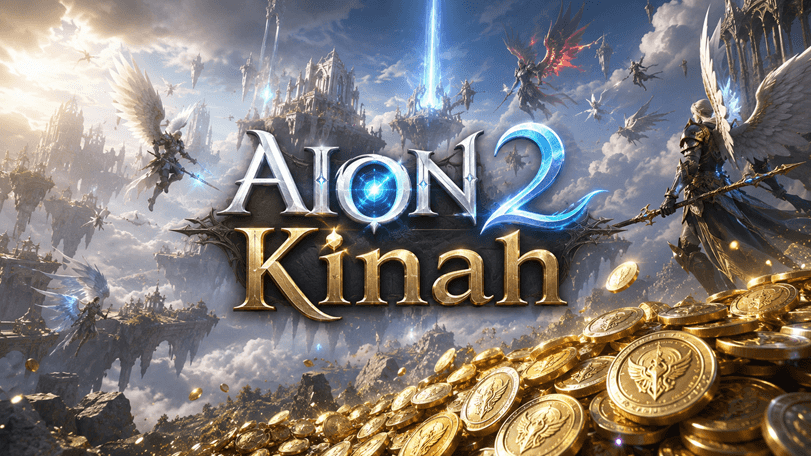
Trading is one of the most interesting parts of a new MMORPG economy. Unlike fixed rewards from quests or activities, the market changes constantly based on player behavior.
For new AION 2 players, trading can appear complicated at first. Prices move quickly, valuable items are not always obvious, and experienced players may seem to understand opportunities faster.
However, successful trading does not require predicting every market movement. A beginner can already make better decisions by understanding a few simple principles: why players buy, why players sell, how prices change, and when patience is more valuable than action.
This AION 2 beginner trading guide explains the basic mindset behind market participation and how players can protect their Kinah while learning the Phase 1 economy.
1. Trading Begins With Understanding Player Needs
The foundation of every market is simple: players trade because they need something.
An item does not have value only because it is rare. It has value because another player believes obtaining it is useful.
Before trading any item, beginners should ask:
Who needs this item?
What problem does this item solve?
Will players continue needing it later?
Is the demand temporary or long-term?
This simple mindset separates trading from random buying and selling.
Experienced traders do not only look at today's price. They think about why the price exists.
2. Learn The Difference Between Price And Value
One of the biggest beginner mistakes is assuming that a high price means an item has high value.
Price is simply the number players currently ask for an item. Value depends on usefulness, demand, availability, and future expectations.
For example, an item may have a high price because very few players currently own it. But if many players can obtain it easily later, the price may decrease.
The market price tells you what people are asking. Understanding value tells you whether that price makes sense.
Beginners who learn this difference avoid many expensive mistakes.
3. Observe The Market Before Making Large Trades
The first days of AION 2 will create a constantly changing economy.
New players often want to participate immediately, but observation can provide an advantage.
Before spending large amounts of Kinah, watch:
How frequently the item appears.
Whether listings disappear quickly.
Whether new sellers continue entering the market.
Whether prices are moving upward or downward.
Whether demand appears consistent.
A few minutes of observation can prevent a poor purchase decision.
The market rewards players who understand what is happening, not only players who act quickly.
4. Understand Why Players Sell Items
Every seller has a reason for putting an item on the market.
Understanding seller behavior helps buyers make better decisions.
Players may sell because:
They need immediate Kinah.
They obtained a replacement item.
They prefer currency over stored resources.
They are changing their progression direction.
They are taking advantage of temporary demand.
A large number of sellers does not always mean an item is bad. It may simply mean many players are converting resources into Kinah.
Context matters.
5. Understand Why Players Buy Items
Buyers create demand, and demand creates economic opportunities.
A beginner trader should understand common reasons players purchase items.
To improve character progression.
To save time.
To complete crafting or other systems.
To prepare for future content.
To avoid inefficient farming.
Items connected to important player goals usually have stronger demand than items that are simply rare.
Learning buyer motivation helps beginners identify more stable markets.
6. When Beginners Should Consider Buying
Buying during Phase 1 can be useful, but timing matters.
A good purchase usually solves a clear problem.
Examples include:
An upgrade that significantly improves progression.
A resource required for an important goal.
An opportunity where the current price appears reasonable compared with expected demand.
A bad purchase usually comes from emotion.
Buying because everyone is discussing the item.
Buying because the price is increasing quickly.
Buying without understanding future usefulness.
A disciplined trader asks whether the purchase improves their position.
7. When Beginners Should Consider Selling
Selling is not only about getting the highest possible price.
Sometimes converting resources into Kinah provides more value because it gives you flexibility.
Consider selling when:
The resource no longer supports your goals.
Demand appears temporarily high.
You need Kinah for an important progression decision.
The resource may become easier to obtain later.
The goal is not holding everything forever. The goal is converting resources into the highest possible value for your account.
8. Do Not Chase Every Market Opportunity
The first week of AION 2 will create many opportunities, but not every opportunity is worth following.
A common beginner mistake is trying to participate in every price movement. Players see an item rising in value and immediately assume they must buy or sell before it is too late.
However, constantly reacting to market changes can lead to poor decisions.
A better approach is selecting opportunities that match your goals.
Does this opportunity support my character progression?
Do I understand why this price is changing?
Do I have enough information to make a decision?
Could I accept the result if my prediction is wrong?
Successful traders do not need to win every opportunity. They need to avoid unnecessary losses.
9. Understand Market Timing During Phase 1
Timing plays an important role in every new MMORPG economy.
An item can have different values depending on when players need it.
For example, a resource may become valuable when many players reach a progression stage that requires it. Later, the same resource may become cheaper when more players can produce it.
Beginners should avoid thinking only about current prices.
Instead, consider:
Are more players likely to need this soon?
Will supply increase quickly?
Is the current price caused by temporary excitement?
Has the market already reacted to the opportunity?
Understanding timing helps players avoid buying after prices have already reached unrealistic levels.
10. Avoid Trading With Money You Need For Progression
Trading always involves uncertainty.
Even experienced players can make incorrect predictions because MMORPG economies are influenced by thousands of individual decisions.
For beginners, the safest rule is simple:
Never risk the Kinah that your character needs to continue progressing.
Your first priority should always remain character development.
Trading should improve your position, not prevent you from playing normally.
11. Track Your Own Trading Decisions
One simple habit can greatly improve beginner trading ability: recording decisions.
You do not need complicated tools. A simple note is enough.
Record:
What item you traded.
Why you bought or sold it.
The price at that time.
What happened afterward.
This helps you understand your own decision-making style.
Over time, you will discover which decisions were based on information and which decisions were based on emotion.
12. Common Beginner Trading Mistakes
Most trading mistakes come from misunderstanding risk rather than lacking knowledge.
Buying because of hype:A popular item is not automatically a profitable purchase.
Selling everything immediately:Some resources may become more valuable later.
Holding everything forever:Resources are useful only when they support your goals.
Ignoring market changes:Launch economies develop quickly.
Following another player's trade:Different players have different resources and goals.
AION 2 Beginner Trading FAQ
Is trading necessary for AION 2 beginners?
No. Beginners can enjoy the game without actively trading. However, understanding the market helps make better decisions with Kinah and resources.
Should I buy expensive items during launch week?
Only when the purchase clearly improves your progression or solves an important problem. Early prices can change quickly.
Is the cheapest listing always the best deal?
Not always. Consider item usefulness, demand, availability, and whether the purchase actually helps your goals.
Can beginners make mistakes in trading?
Yes. Mistakes are part of learning. The important thing is avoiding decisions that can seriously damage your progression.
Will the AION 2 market remain the same after launch?
No. As more players progress and discover efficient methods, supply and demand will continue changing.
Final Thoughts
Trading in AION 2 is not about predicting every market movement. It is about understanding why players buy and sell, protecting your Kinah, and making decisions based on information rather than emotion.
During Phase 1, beginners who observe carefully and avoid unnecessary risks will naturally develop stronger economic habits.
The most successful traders are not always the players who act the fastest. They are often the players who understand the market before making decisions.
Build your character first, protect your resources, and let the market become a tool that supports your progression.
Lootwow AION 2 Kinah Resources
Lootwow provides AION 2 economy guides covering Kinah management, market strategies, trading concepts, resource planning, and Phase 1 progression decisions.
Players researching additional Kinah options can review:
Buy Aion 2 Kinah