



AION 2 Story Explained: What New Players Should Know Before the Global Launch
Source:nc

You do not need seventeen years of AION history to understand AION 2. New players mainly need a clear answer to four questions: what happened to the world, why the Elyos and Asmodians are still fighting, what a Daeva is, and why the Balaur remain important two hundred years later.
That context is especially useful for North American and global-launch players entering the franchise for the first time. NC has confirmed that AION 2 takes place two centuries after the original title, following the collapse of the Tower of Eternity. The Daevas are gradually losing their power, the faction war continues, and the Balaur still threaten the surviving civilizations. The new story is therefore not a reset. It is a continuation of a world that never fully recovered from its original catastrophe.
This guide provides a spoiler-light bridge between the original AION worldview and the confirmed global premise of AION 2. Original-series background is identified as such, while AION 2 facts come from current global Steam material and official NC announcements. Later Korean or Taiwan story developments are not treated as confirmed North American launch content.
AION Lore in 60 Seconds
Aion was both the creator and the colossal Tower of Eternity at the heart of Atreia.
To resist the Balaur, humans were awakened into powerful beings called Daevas.
A long war ended in catastrophe: the Tower split and Atreia was divided.
The Elyos settled in Elysea while the Asmodians adapted to Asmodae.
The Abyss later connected the divided realms and renewed conflict between the factions.
AION 2 begins 200 years later, with weakened Daevas trying to survive, fight, and rebuild.
Source distinction: The early history of Aion, the Tower, Atreia, the original Daevas, the division into Elysea and Asmodae, and the formation of the Abyss comes from NC’s official AION digital artbook. AION 2’s 200-year time jump, weakening Daevas, continued faction war, Balaur oppression, global regions, and current gameplay framing come from official AION 2 global announcements and Steam. Details introduced by later regional AION 2 updates are excluded unless confirmed globally.
1. Start With Atreia, Not With a List of Characters
The most useful way to understand AION is to begin with its world. Atreia is not simply a fantasy continent with two rival kingdoms. Its geography, politics, races, and obsession with flight all grow from a single disaster involving the Tower of Eternity.
NC’s official AION artbook describes Aion as both the god that created the world and the enormous tower at its center. That tower was not scenery. It was fundamental to the world’s structure and identity. When the conflict with the Balaur escalated, Aion awakened humans into Daevas so they could oppose the threat.
This is why becoming a Daeva matters in AION 2. The title is connected to the oldest struggle in the setting. When the global Steam page tells players to choose a faction and ascend as a Daeva, it is placing the new character inside a history that began long before the events of the sequel.
A new player does not need to memorize ancient names before launch. The essential idea is that Atreia was created around a central divine structure, the world faced an existential enemy, and ordinary humanity was transformed to survive that conflict.
2. The Balaur Help Explain Why Daevas Exist
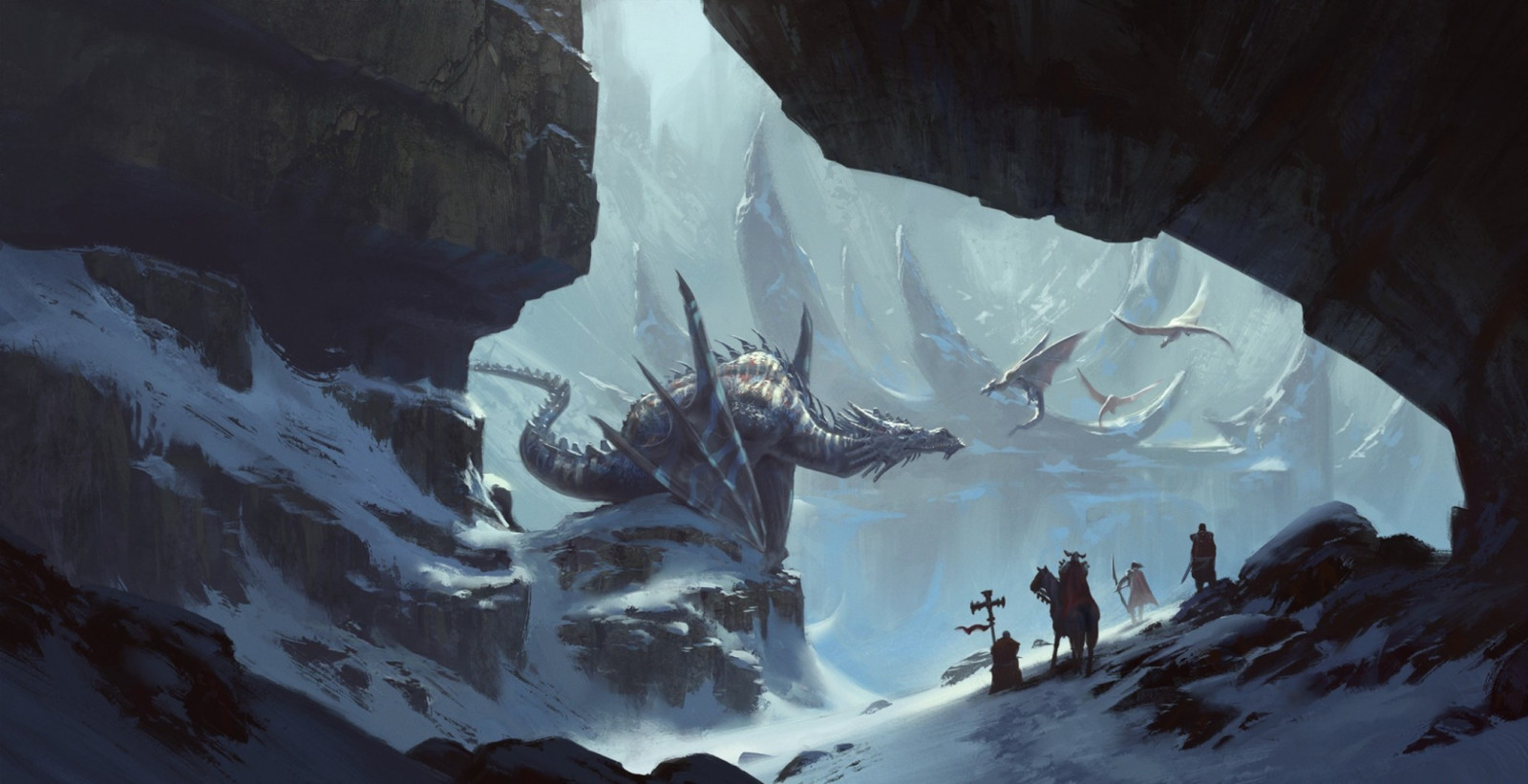
The Balaur are more than another monster faction. In the original worldview, their challenge to Aion helped create the need for Daevas. NC’s artbook states that Aion awakened humans into Daevas so they could possess power capable of standing against the Balaur.
That makes the relationship between Daevas and Balaur foundational. The Daevas were not created because the Elyos and Asmodians disliked each other. They existed first as part of a much larger survival struggle.
The global AION 2 announcement confirms that this pressure has not disappeared. Two hundred years after the original title, the Daevas are gradually losing their power while struggling for survival under Balaur oppression. This gives the sequel an important tension: the people who once represented extraordinary power are entering an age when that power can no longer be taken for granted.
For beginners, this is a useful lens for story quests. When a character speaks about the old strength of the Daevas, the threat of the Balaur, or the need to rebuild, those ideas are connected. AION 2 begins in a world where history’s protectors are weaker while an ancient enemy remains dangerous.
3. The Tower of Eternity Did Not Simply Fall
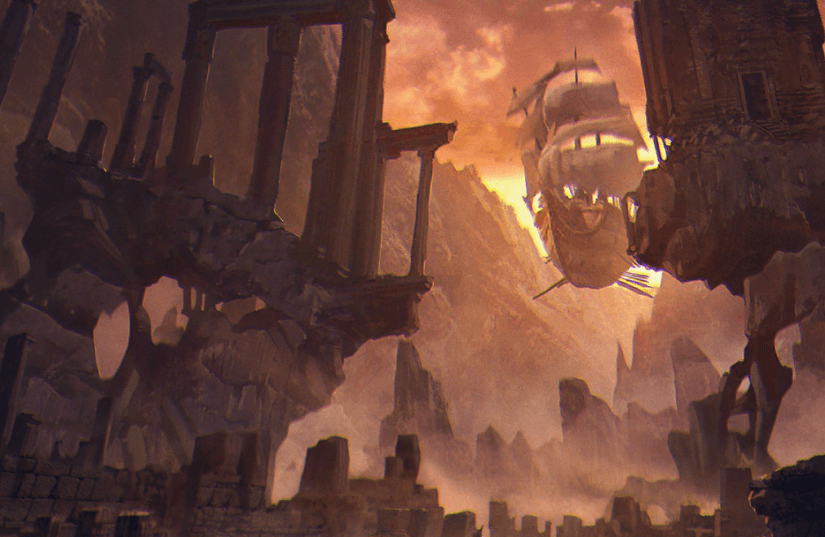
The defining catastrophe of the original setting was the splitting of the Tower of Eternity. NC’s official artbook describes a long war that ended with the Tower divided and the world thrown into cataclysm. The Balaur were pushed beyond a barrier, but the cost was enormous: Atreia itself was separated.
This event explains why AION’s two major civilizations developed so differently. The division was not a normal political border. The world was physically and environmentally transformed, and populations that had once shared an origin lived apart long enough to develop distinct cultures, appearances, architecture, and beliefs.
The global AION 2 announcement specifically places the sequel after the collapse of the Tower of Eternity, showing that the old disaster remains central to the new era. The story is not about restoring an untouched world. It is about living with consequences that have shaped Atreia for centuries.
Beginner Lore Shortcut
Whenever AION 2 refers to a broken world, weakened Daevas, separated civilizations, or the need to rebuild, trace the idea back to the Tower’s collapse. It is the single most useful event for understanding the setting.
4. How the Elyos and Asmodians Became Different
After the cataclysm, the Elyos settled in Elysea while the Asmodians lived in Asmodae. According to NC’s artbook, long separation and different environments changed their cultures and physical appearances. The Elyos developed in a region with abundant light, while the Asmodians adapted to a harsher environment with much less light.
AION 2’s global Steam description gives the conflict a modern, concise framing. The Elyos achieved prosperity and believe they are Aion’s chosen people. The Asmodians endured centuries of hardship and believe that struggle made them stronger. The official text refuses to declare one faction objectively right and emphasizes that neither intends to yield.
This is important because new players often misread the factions as a simple good side and evil side. The official framing is more interesting. Both civilizations share an origin and a catastrophe, but they built different identities around what happened afterward.
For the complete faction-choice decision, a separate beginner guide makes sense. For lore purposes, remember only this: the Elyos and Asmodians are estranged branches of the same broken world, and their conflict is shaped by environment, memory, culture, and competing interpretations of survival.
5. The Abyss Reconnected a Divided World
The original AION lore introduces the Abyss as a consequence of instability created when the Tower was split. NC’s artbook says this dimension formed at the center of Atreia and eventually connected Elysea and Asmodae.
That connection changed the relationship between the isolated factions. After a long period of separation, they could once again reach one another, and conflict followed. The Abyss therefore represents more than a PvP location. In the setting, it is one of the mechanisms that turned isolation into direct confrontation.
The global Steam page for AION 2 still references the Abyss and says it keeps PvE and faction war close together. That confirms the concept remains relevant to the sequel’s global identity, although exact Phase 1 activities, schedules, rewards, ranking rules, and access requirements should be learned from current global information rather than copied from Korea or Taiwan.
A beginner should think of the Abyss as a meeting point between story and gameplay. It belongs to the history of the divided world, but it also represents the franchise’s long-running idea that exploration, PvE threats, and faction rivalry can occupy the same larger space.
6. Why the Faction War Continued Even With the Balaur Threat
One of the central tragedies of AION is that the existence of a dangerous third force does not permanently unite the Elyos and Asmodians. The original artbook notes periods in which fear of the Balaur could push the two factions toward a shared response, yet their rivalry remained deeply rooted.
By the time AION 2 begins, official global material still describes Daevas waging war while struggling under Balaur oppression. That sentence tells new players almost everything they need to know about the political condition of the sequel: the world faces external pressure, but internal conflict has not ended.
This creates a setting where cooperation and hostility can exist beside each other. A faction may need to survive a larger threat while still seeing the opposing civilization as a rival for territory, identity, power, or the future of Atreia.
That tension also helps explain why faction choice matters narratively. You are not selecting a cosmetic team color. You are entering one civilization’s version of a centuries-old argument about who survived correctly and who should shape what comes next.
7. AION 2 Begins 200 Years Later
The most important confirmed story fact for the sequel is the time jump. NC states that AION 2 takes place two hundred years after the original title. This gives the developers enough distance to preserve the franchise’s core ideas while presenting a world that has changed substantially.
The Daevas are gradually losing their power. The Elyos and Asmodians still fight. The Balaur continue to oppress the surviving civilizations. The official global announcement then gives the player a forward-looking task: rebuild the world of the Daevas and shape its future.
That language changes the tone from simple preservation to reconstruction. AION 2 is not merely asking players to revisit famous locations. It presents a generation living after centuries of damage, conflict, adaptation, and decline.
For new players, this means not knowing the complete original plot is actually reasonable. Your character also belongs to a later era. The past matters, but the game’s global premise is designed around deciding what happens next rather than requiring every player to recreate the original storyline from memory.
The Timeline That Matters Most
Creation: Aion and the Tower stand at the center of Atreia.
Balaur conflict: humans are awakened as Daevas to resist the threat.
Cataclysm: the Tower splits and Atreia is divided.
Separation: Elyos and Asmodians develop independently.
Abyss connection: the separated sides encounter each other again and war deepens.
AION 2: two hundred years later, weakened Daevas fight to survive and rebuild.
8. Flight Is Part of the World’s Identity, Not Just Movement
AION has always connected Daevas with wings and flight, and AION 2 expands that identity into the structure of its world. The global Steam page describes a world thirty-six times larger than the original and says verticality is designed into regions, battlefields, and encounters.
This is more than a technical feature. Becoming a Daeva visually and mechanically separates the player from an ordinary traveler. Flight represents freedom, power, exploration, and conflict at the same time.
The original NC artbook also treats flight as one of AION’s defining ideas, while the AION 2 global page goes further by saying the sky is the battlefield. For a lore-minded beginner, movement and story therefore reinforce each other. You are not simply using a mount system; you are inhabiting the fantasy that has defined Daevas since the beginning of the franchise.
9. What You Should Not Assume From Regional AION 2 Updates
AION 2 is already a live game in Korea and Taiwan, and those services have received post-launch updates. They can reveal characters, regions, dungeons, systems, and story developments that may eventually appear elsewhere. They should not automatically be treated as the North American launch storyline.
Global Phase 1 can differ in content order, localization, pacing, balance, rewards, event timing, or story presentation. A later regional chapter may reference events that a global player has not yet experienced. Publishing those events as if they were launch facts would confuse beginners and create unnecessary spoilers.
For LootWoW’s global coverage, the cleanest rule is to label information by source and version. “Confirmed globally” should mean the global Steam page, global NC announcements, or the global client. “Regional reference” should remain clearly labeled even when the source is official.
10. Five Story Questions Worth Watching at Global Launch
A good lore guide should leave room for the game to tell its own story. Several important questions are established by the global premise but not completely answered in the current pre-launch material.
Why are the Daevas losing their power? The decline is confirmed, but new players should let the global story explain its causes and consequences.
What does rebuilding actually require? It may involve territory, alliances, recovered knowledge, new powers, or something not yet revealed globally.
How has Balaur power changed? Their oppression is confirmed, but the launch story should establish the current balance of power.
How do Elyos and Asmodians remember the previous era? Two hundred years is long enough for history to become ideology, myth, or political memory.
What kind of Daeva will the player become? The global pitch emphasizes choice, faction, flight, combat, and shaping the future rather than simply replaying the past.
11. What New Players Should Know Before Their First Quest
You do not need a wiki open beside the game. Remember a small set of names and ideas: Atreia is the world, Aion and the Tower are central to its creation and catastrophe, Daevas are empowered beings born from the struggle against the Balaur, Elyos and Asmodians are divided descendants of the same broader civilization, and the Abyss helped reconnect the separated sides through conflict.
Then add the sequel premise: two hundred years have passed, Daevas are weakening, faction war continues, the Balaur remain a major threat, and the world needs to be rebuilt.
That is enough context to understand why early dialogue matters. When quests introduce local leaders, ancient ruins, faction grievances, lost power, or Balaur pressure, you will know which larger part of the setting they belong to without spoiling the new story for yourself.
AION 2 Beginner Lore FAQ
Do I need to play the original AION before AION 2?
No. AION 2 takes place two hundred years later and has its own forward-moving premise. Knowing the original world history adds context, but current global material is understandable without completing the original game.
What is a Daeva?
In the original official lore, Aion awakened humans into Daevas so they could possess power capable of resisting the Balaur. AION 2 again places the player in the role of a Daeva.
Why are Elyos and Asmodians enemies?
They share an origin but developed separately after the Tower’s collapse divided Atreia. Different environments, cultures, identities, and later contact through the Abyss contributed to a long-running faction conflict.
Are the Balaur still important in AION 2?
Yes. The official global release announcement says Daevas are struggling for survival under Balaur oppression two hundred years after the original game.
Is the Abyss confirmed for the global version?
The global Steam page references the Abyss in its description of PvE and faction war. Exact Phase 1 activities and rules should still be confirmed through current global information.
Can I use Korean and Taiwan story guides?
They can be useful regional references, but later regional chapters and live-service developments should not be presented as confirmed North American launch content unless global sources match them.
Final Takeaway
The simplest way to understand AION 2 is to see it as a story about a broken world that never fully escaped its original war. Aion created Atreia and empowered Daevas against the Balaur. The Tower of Eternity split, the world was divided, the Elyos and Asmodians developed apart, and the Abyss brought conflict back into direct contact.
Two hundred years later, AION 2 begins with the consequences still alive. Daeva power is fading. The factions continue to fight. The Balaur remain oppressive. Yet the player is not entering the world only to preserve old grudges. NC’s global announcement frames the new era around rebuilding the world of the Daevas and shaping its future.
That is the right amount of lore to carry into launch: enough history to understand why the world is broken, but enough unanswered questions to let AION 2 tell you what happens next.
For current official background, read the AION 2 Steam page, NC’s official AION digital artbook, and the official global release announcement. LootWoW will continue separating confirmed global lore from regional-version developments as the North American launch approaches.