












AION 2 Flight and Aerial Combat Beginner Guide: How to Move, Explore and Fight in 3D
Source:nc

AION 2 Flight and Aerial Combat Beginner Guide: How to Move, Explore and Fight in 3D

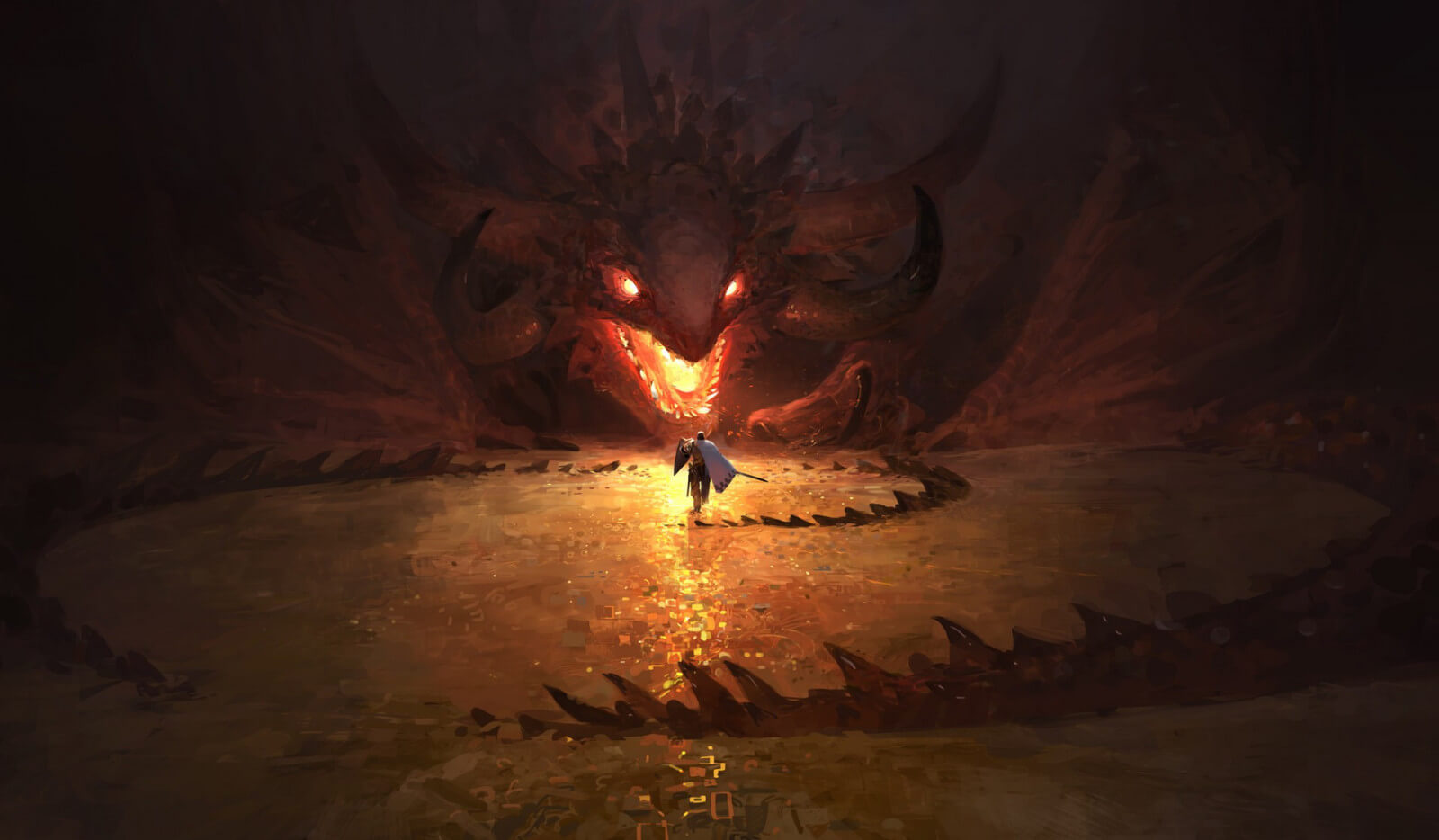
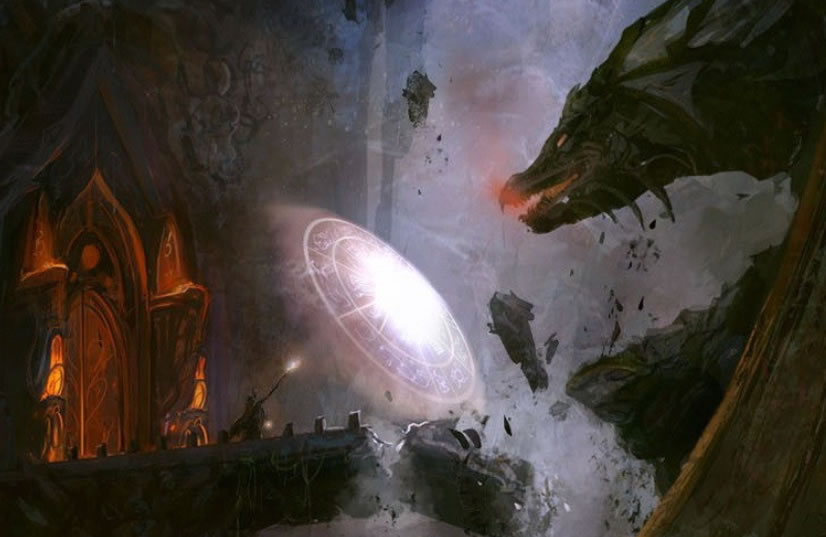
Most MMORPG beginners learn to think about combat on a flat surface. They watch the enemy in front of them, step out of a red circle, move behind a boss, and keep enough distance to use their skills. AION 2 asks players to add another layer immediately: altitude. The official global materials describe flight as part of combat and exploration rather than a simple transportation feature, which means new players will need to understand space above and below them as naturally as the ground beneath their character.
That difference is one of the most important reasons to practice movement before chasing an advanced build. A player who understands camera control, vertical spacing, target visibility, and safe landing positions can react to unfamiliar encounters. A player who only memorizes a damage sequence may lose control as soon as an enemy moves upward, dives behind terrain, or forces the fight into open air.
This beginner guide is written for North American and global-launch players preparing for the first version of AION 2. It focuses on evergreen fundamentals: how to set up controls, how to read three-dimensional space, how to approach aerial combat, how flight may affect PvE and PvP, and how to build good habits during the first day. It does not assume that every mechanic from Korea or Taiwan will appear unchanged in the global client.
AION 2 Flight Basics at a Glance
Treat altitude as a tactical resource, not merely a visual effect.
Set comfortable camera, targeting, and movement controls before difficult combat.
Keep enemies, terrain, allies, and a safe exit visible whenever possible.
Practice short movement corrections instead of making large uncontrolled turns.
Learn the global launch version first and treat regional-version details as reference only.
Confirmed global information: NC and the official Steam page describe AION 2 as a PC MMORPG built around three-dimensional flight, aerial combat, vertical exploration, manual combat, chain skills, and a world created with verticality as a central design principle. Exact launch controls, flight limits, class balance, skill behavior, and progression rules may still change before the North American/global release.
What the Official Global Information Confirms About Flight
The official Steam description says that flight is not only a travel mechanic. It is presented as a way to fight, explore, and gain positional advantage. NC also describes the world as being designed around verticality, with regions, battlefields, and encounters built to reward players who can move and think in three dimensions.
The global version is planned for PC through Steam and PURPLE, and the Steam page currently lists a September 2026 release window. That PC focus matters because precise camera movement, keybinds, targeting, and rapid changes in altitude are easier to practice when the player can customize a keyboard-and-mouse setup. Controller support and final control options should be verified when NC publishes complete launch documentation.
Official material also highlights manual combat, timing, positioning, chain skills, and class customization. Those features suggest that flight will interact with active decision-making rather than functioning as a passive animation. However, global sources have not yet published every numerical rule. Players should not assume a particular flight-duration meter, recharge rate, aerial penalty, or class-specific airborne advantage until it appears in the final global client or official guide.
For a beginner, the practical conclusion is simple: learn movement as a combat skill. Do not postpone flight practice until endgame. The sooner you can control height and direction without looking at your keyboard, the easier it will be to understand quests, exploration, dungeons, open-world events, and faction conflict.
Why Three-Dimensional Movement Changes MMORPG Combat
You Must Read Height as Well as Distance
On the ground, a target can be close, medium, or far away. In the air, a target can also be above or below you. Two characters may appear close on the screen while being separated by enough vertical distance to affect targeting, skill range, or visibility. Beginners should learn to check both horizontal distance and altitude before assuming an ability will connect.
A useful habit is to imagine every fight inside a transparent box. The enemy can move toward any wall, the ceiling, or the floor. Your goal is not simply to face the target. Your goal is to remain in a position that preserves vision, control, and an escape route.
The Camera Becomes Part of Your Defense
Poor camera control can hide a threat even when the character is technically facing the correct direction. Large wings, spell effects, terrain, and other players may block the view. Zoom out far enough to understand the battlefield, but not so far that small telegraphs become difficult to read. The best setting is the one that lets you track the target while also seeing nearby terrain and incoming mechanics.
Practice moving the camera independently from the character. A beginner often turns the entire character whenever they want to look around. That creates unnecessary motion and can break positioning. Learn to inspect the area while maintaining the current flight path.
Safe Space Is No Longer Only Behind You
A ground-based retreat usually means moving backward or sideways. In aerial combat, a safe direction may be upward, downward, or diagonally away from an obstacle. Before engaging, identify at least one open route that is not blocked by terrain, enemy groups, or a dangerous drop toward another encounter.
Set Up Your Controls Before You Fight
The default controls may be comfortable, but every player should test them before difficult content. Aerial combat requires several actions to feel natural at the same time: forward movement, strafing, rising, descending, camera rotation, target selection, defensive skills, and emergency movement.
Place ascend and descend controls where they can be reached without moving your hand away from core combat keys.
Use separate, reliable keys for target selection and target switching.
Keep your most important defensive or movement skill near your normal movement hand.
Adjust mouse sensitivity so small corrections are easy without making large turns accidental.
Test whether automatic camera behavior helps or fights against your preferred movement style.
Create a keybind for quickly centering or recovering the camera if the final client provides one.
Do not copy a professional player’s bindings without testing them. Hand size, keyboard layout, mouse buttons, and previous MMO experience all affect comfort. A technically optimal setup is useless when it causes mistakes after thirty minutes of play.
Five-Minute Control Test
Find a safe area and move in a wide circle while changing altitude, rotating the camera, selecting a target, and pressing one defensive key. If any action forces you to stop moving or look down at the keyboard, adjust the binding before continuing.
The Beginner Aerial-Combat Loop
A simple combat loop is more useful than an advanced rotation during the first hours. The goal is to maintain control while learning what the enemy can do.
Step 1: Observe Before Engaging
Identify the target’s height, direction, nearby enemies, terrain, and possible escape routes. Check whether the target is moving toward a wall, a ledge, or open space. An enemy in a convenient location may become dangerous if it pulls you into another group.
Step 2: Approach at a Controlled Angle
A direct charge is easy to predict and may place the camera too close to the target. Approach slightly from the side or from a gentle change in altitude. This gives you a clearer view of the enemy and reduces the chance of overshooting.
Step 3: Establish Stable Range
Before using a long sequence of skills, confirm that the target is staying within practical range. Beginners often press several abilities while the enemy is already drifting upward or away. Use short actions, check the result, and correct position before continuing.
Step 4: React to Movement, Not Only Damage
Watch where the enemy goes after each attack. A target that climbs, dives, turns sharply, or moves behind terrain is changing the fight even if its health bar is falling. Follow only as far as you can maintain awareness of the surrounding area.
Step 5: Reset When Control Is Lost
Do not continue an aggressive sequence when the camera is confused, the target is hidden, or additional enemies have joined. Create distance, stabilize your view, identify the new situation, and then decide whether to re-engage. Resetting is a skill, not a failure.
Positioning Rules Every New Player Should Learn
Keep the Target Away From the Edge of Your Screen
When the enemy remains near the center of the screen, small changes in movement are easier to read. A target at the edge can disappear behind effects or terrain. Centering does not mean staring only at the enemy; it means keeping enough screen space around the target to see what is happening next.
Avoid Fighting Directly Against Terrain
Walls, cliffs, trees, structures, and ceilings can restrict movement or interfere with the camera. Whenever possible, shift the fight into open space before committing to a long attack. Terrain can still be useful for breaking sight or escaping, but beginners should not let it become an accidental trap.
Use Small Altitude Changes
Large climbs and dives can create distance quickly, but they can also make the camera difficult to control. Short vertical corrections are safer when tracking a target. Use dramatic movement only when the situation clearly requires it.
Stay Aware of the Ground
Aerial freedom does not remove ground danger. Descending without checking can place the character inside another enemy group, a hazard, or an inconvenient location. Before dropping altitude, look below and decide where the character will end the movement.
Preserve a Route Back to Allies
In group content, do not chase so far that the healer, tank, or other damage dealers lose access to you. Aerial movement can spread a party more quickly than normal running. Use the group’s position as an anchor and return before the formation breaks.
How Flight May Affect Early PvE
Official global information confirms broad PvE variety, including solo challenges, party dungeons, larger group content, open-world events, and the Abyss. It also says that encounters are designed around verticality. The exact launch dungeon list and individual mechanics still require final confirmation, but beginners can prepare for several likely demands without pretending to know every boss.
First, movement mechanics may ask players to change elevation rather than only step sideways. Second, exploration may reward looking above and below the obvious path. Third, bosses may become easier to understand when the player controls the camera calmly and preserves a wide view. Finally, parties may need to stay close enough for support while avoiding a flat cluster.
During an unfamiliar boss fight, prioritize survival and information. Watch how the arena uses height. Notice whether the boss faces a direction, follows one player, creates safe areas, or changes levels. Do not assume that maximum damage is the first objective. A living beginner who understands the mechanic contributes more than a player who performs a perfect opening and is eliminated immediately.
Beginner Dungeon Rule
For the first attempt, use a simple skill sequence and spend extra attention on the arena. Once you understand where to move, when to climb or descend, and how the boss signals danger, you can safely optimize damage.
Flight as an Exploration Tool
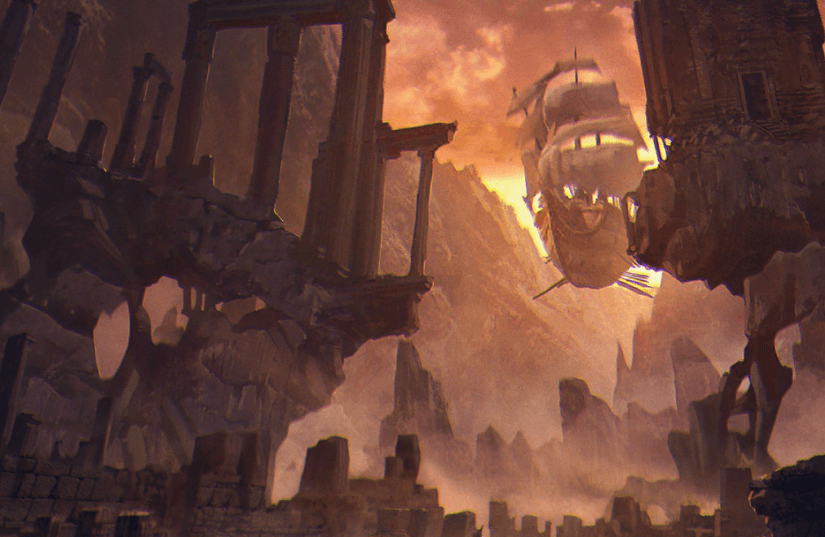
NC describes AION 2’s world as built around the idea of exploring what you can see. The official materials emphasize full aerial freedom, large regions, and vertical exploration. For a new player, this means the shortest route may not be the most useful route.
When entering a new area, pause at a safe elevated position and study the landscape. Look for roads, bridges, structures, caves, high platforms, waterways, enemy camps, and possible quest destinations. A quick survey can prevent several minutes of moving in the wrong direction.
Beginner PvP Habits for the Abyss and Open Conflict
AION’s faction conflict is central to the series, and global AION 2 materials emphasize the Elyos-Asmodian war and the Abyss. New players do not need an advanced PvP build on the first day, but they should begin developing defensive awareness early.
Do Not Tunnel on One Target
Aerial combat makes it easy to chase a vulnerable opponent away from safety. Check the surrounding area frequently. The target may be leading you toward allies, a dangerous structure, or an unfavorable height.
Control the Engagement Distance
Different classes will prefer different distances, but every player benefits from knowing when the fight is moving outside their comfortable range. If the enemy controls both the distance and the altitude, disengage or reposition rather than continuing the same plan.
Use Terrain Deliberately
Terrain can block vision, separate opponents, or provide a direction for retreat. It can also trap the camera and restrict movement. Enter narrow areas because they support a plan, not because you followed the target without thinking.
Stay Near Friendly Players
Beginner PvP becomes easier when you can observe experienced teammates. Watch how they maintain spacing, select targets, and return to the group. A strong faction group is not a collection of individual chases; it is a formation that can support focused attacks and safe retreats.
Choosing a Beginner Class for Aerial Combat
Players who enjoy direct pressure should look for a class with clear approach tools, durable defenses, and a simple way to stay connected to moving targets.
Players who prefer range should value target tracking, safe spacing, and mobility more than stationary damage demonstrations.
Future tanks should practice turning enemies without losing awareness of the party’s position.
Future healers should focus on camera awareness, ally visibility, and moving without interrupting essential support.
Players who are uncertain should test several classes during launch rather than committing to a difficult playstyle because of an early tier list.
A First-Day Flight Practice Routine
A short practice plan can create better habits without slowing progression. Complete the following exercises in a safe area whenever the global client introduces flight controls.
Exercise 1: Straight Lines and Stops
Fly forward for several seconds, stop at a chosen landmark, turn, and return. Repeat until the character stops where expected instead of drifting past the target.
Exercise 2: Controlled Climb and Descent
Move between two visible heights using small adjustments. Keep the camera pointed toward the destination. The goal is accuracy, not speed.
Exercise 3: Circle a Stationary Object
Choose a tower, tree, rock, or harmless target and circle it while maintaining approximately the same distance and height. Then repeat while changing altitude slowly.
Exercise 4: Target Tracking
Select a moving creature or training target and keep it near the center of the screen without attacking. Practice following its direction without making sudden camera movements.
Exercise 5: Attack and Reset
Use a short attack sequence, create distance, stabilize the camera, and return. This teaches the rhythm of engagement and recovery before difficult enemies introduce pressure.
Common Flight Mistakes New Players Should Avoid
Flying at maximum speed everywhere: speed makes small navigation and camera errors more expensive.
Watching only the target: terrain, additional enemies, and allies can leave the screen.
Using huge vertical movements: large climbs and dives can destroy stable range and visibility.
Chasing into unknown space: a weak target can pull you into a stronger group.
Ignoring landing location: descending safely is part of flight control.
Copying regional mechanics as global facts: final launch balance and control rules may differ.
Optimizing damage before movement: a complex rotation is unreliable when positioning is unstable.
AION 2 Flight Guide FAQ
Is flight only used for travel in AION 2?
No. Official global descriptions present flight as part of combat, exploration, and positional advantage. The exact rules and limitations of the global client should be confirmed at launch.
Is aerial combat difficult for MMO beginners?
It adds another direction to manage, but the basic habits are learnable. Comfortable controls, a stable camera, small movement corrections, and a simple combat sequence make the learning process much easier.
Should I choose a ranged class for easier flight combat?
Range can reduce some positioning pressure, but ranged players still need target tracking and safe spacing. The best beginner class is the one whose movement and combat rhythm remain understandable while you learn three-dimensional navigation.
Can Korean or Taiwan flight guides be used for the global release?
They may provide background and examples, but they should not be treated as final global instructions. Controls, skills, class balance, progression, and specific flight rules may be adjusted for North America and other global regions.
Final Thoughts
AION 2’s strongest beginner lesson is that movement is not separate from combat. Altitude, camera control, range, terrain, and safe routes all influence whether a player can use skills effectively. New players who practice those fundamentals early will be better prepared for quests, dungeons, exploration, the Abyss, and faction conflict.
Start with comfortable keybinds and a wide view of the battlefield. Make small corrections, keep the target visible, and reset whenever control is lost. Do not rush into advanced rotations or regional endgame advice before understanding the global launch client in front of you.
For the latest confirmed information, review the official AION 2 Steam page, NC’s global launch announcement, and NC’s official core-gameplay overview. These sources provide the safest foundation while global controls and launch systems continue to be finalized.
LootWoW will continue publishing clear AION 2 launch news, beginner explanations, class introductions, dungeon guides, and practical gameplay information for North American and global players. Readers who also need access to the site’s separate AION 2 service page can review Buy Aion 2 Kinah. LootWoW’s goal is to keep its guides useful, easy to follow, and transparent while giving players one convenient place to follow the game and review available services. Always check the current game rules and make an informed personal decision before using a third-party marketplace.