











AION 2 First-Week Quest and Map Guide: A Beginner Route for the Global Launch
Source:nc

AION 2 First-Week Quest and Map Guide: A Beginner Route for the Global Launch
The first week of AION 2 should not be treated as a race against players who already studied another regional version. For North American and global-launch beginners, the better goal is to build a reliable foundation: understand the main quest, learn how the map handles vertical spaces, unlock important systems, become comfortable with flight, complete early PvE, and enter group content without feeling lost.
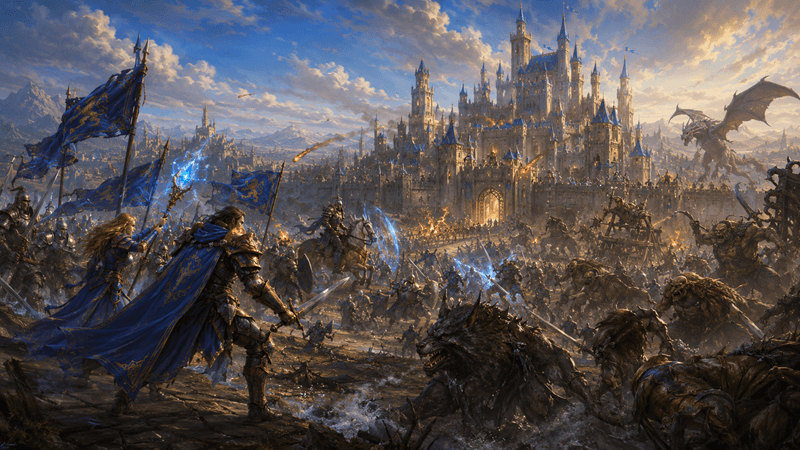
Official global materials confirm that AION 2 is a PC MMORPG built in Unreal Engine 5, set two hundred years after the original game, with Elyos and Asmodian factions, aerial combat, a world advertised as thirty-six times larger than the original, class-based combat, extensive customization, and solo, five-player, and ten-player dungeon formats. NC has also confirmed regional service for North America, South America, Europe, and Japan.
What official global sources do not yet provide is a final North American day-by-day leveling route. Exact quest names, level gates, map order, regional rewards, first-dungeon timing, and system unlock levels may differ from Korea or Taiwan. This guide therefore uses a flexible first-week structure based on learning checkpoints rather than fixed levels. It gives beginners a plan that remains useful even if the global launch build changes details.
Your First-Week Priorities
Follow the main story until the game has introduced its core movement, combat, map, and service systems.
Complete nearby side content when it shares the same route or teaches a useful mechanic.
Practice flight and camera control before using maximum movement speed.
Treat the first dungeon as a mechanics lesson, not a damage competition.
Organize the interface and inventory at the end of each session.
Use global official sources for launch facts and label regional guides as reference only.
Global information versus regional reference: The current Steam page confirms the global setting, core combat philosophy, factions, flight, large-scale world, extensive dungeon count, and North American availability. It does not currently publish a complete Phase 1 quest order or a guaranteed first-week level target. Korean and Taiwan routes may demonstrate how those services work, but their later patches, rewards, class balance, and map flow should not be presented as confirmed global facts.
Before Day One: Prepare a Simple Launch Plan
A good first week begins before the character enters Atreia. Confirm your region, server plan, and faction with friends. AION 2 is built around Elyos and Asmodian conflict, so players should assume faction choice can separate a group unless NC announces specific cross-faction systems for the global service.
Create a two-class shortlist rather than one permanent commitment. Your first choice may feel different after testing manual combat and aerial movement. Also prepare more than the 100 GB of storage currently listed on Steam, update drivers early, and verify account recovery before launch day.
Write down the selected region, server, faction, and backup server.
Choose two classes with different movement or responsibility styles.
Confirm Steam access, email recovery, and authentication.
Prepare enough storage for installation and update files.
Wait for official preload and opening-time notices.
Do Not Build a Level-by-Level Spreadsheet Yet
Until NC publishes the final global progression details, organize your week around goals such as “unlock flight,” “understand the map,” and “complete the first group dungeon.” These goals survive balance and quest-order changes.
Day One: Learn the Main Quest and Basic Combat Loop
The main story should be your primary route during the first session. It is likely to introduce the world, faction perspective, early combat, important NPCs, and the first major system unlocks. Do not skip every tutorial because the global version may explain controls or systems differently from regional videos.
Use a simple combat loop. Identify one opening skill, one short chain, one defensive response, and one movement option. Steam describes combat as shaped by precision, timing, positioning, chain skills, and adaptation rather than a passive rotation. A beginner should therefore watch the enemy while using a short reliable sequence.
The first day is also the right time to adjust the camera, mouse sensitivity, target switching, and interface scale. Avoid rebuilding every keybind after each fight. Make essential changes, play for a while, and then review what actually feels uncomfortable.
Day-One Completion Check
You can identify the main quest and its current objective.
You understand one basic skill chain.
You know where health, target information, and important cooldowns appear.
You can move the camera without losing control of the character.
You know how to return to the current settlement or safe area.
Day Two: Learn How the Map Handles Height
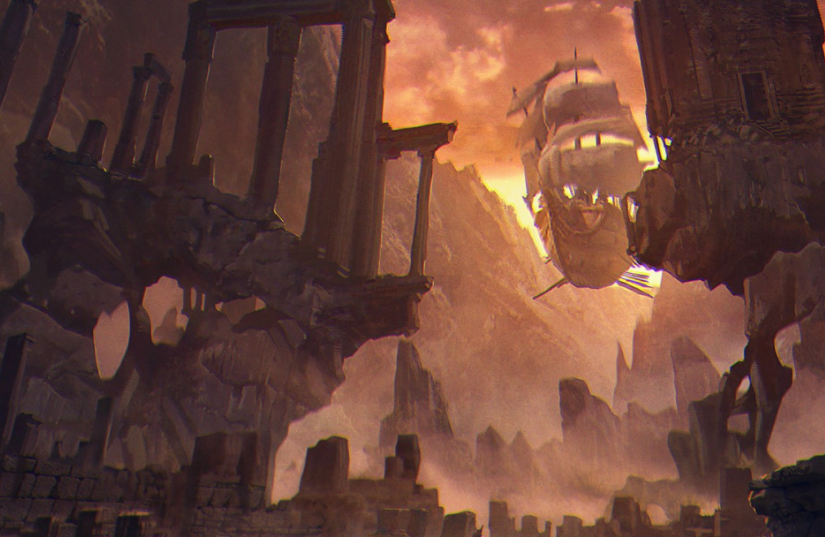
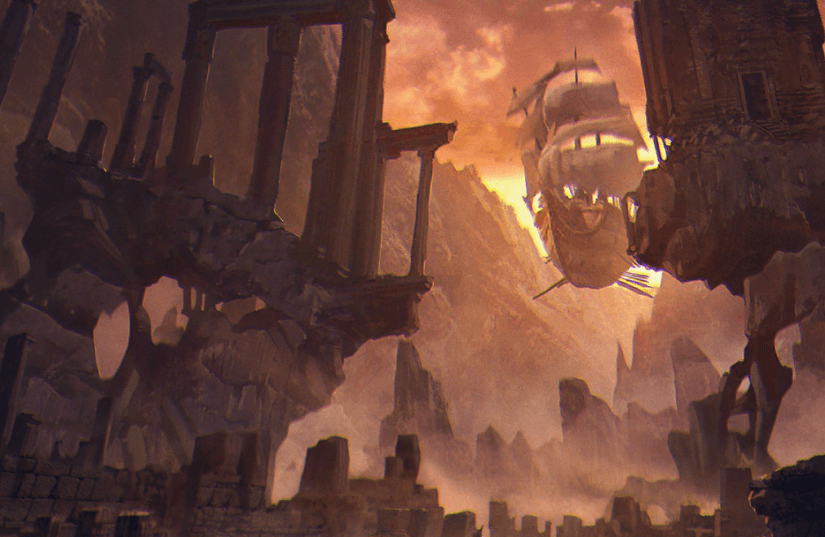
AION 2’s global marketing emphasizes a large three-dimensional world. A marker that appears close on a flat map may be above a cliff, below a bridge, inside a ruin, or across a blocked route. New players should stop thinking only in horizontal distance.
Before following a marker, identify a landmark near the objective and inspect possible entrances, ramps, bridges, ledges, or lower paths. When the marker stops becoming closer, do not repeat the same straight approach. Change altitude, examine the structure, or return to the last recognizable path.
Build a small mental map of each settlement. Locate the main entrance, central service area, quest hub, travel point, and one memorable landmark. This makes later returns faster even when the interface changes or an objective marker disappears.
The Landmark Method
Every time you enter a new area, remember one large structure, one safe return route, and one vertical feature. This is more reliable than following small markers without understanding the terrain.
Day Three: Add Side Quests Without Losing the Main Route
Side content is valuable when it teaches a system, expands the story, shares the same route, or fills a small progression gap. It becomes inefficient when the player accepts every objective and crosses the map repeatedly without completing any section.
Use route grouping. Before leaving a settlement, review nearby objectives and identify which ones occupy the same area. Complete that cluster, return once, and then resume the main story. This reduces travel confusion and helps you remember how different parts of the map connect.
Do not judge every side quest only by immediate experience or rewards. Some quests may introduce faction history, enemy types, navigation habits, or local services. At the same time, you do not need to complete every optional marker before moving forward.
Complete a Side Quest When
It is close to the current main-story route.
It teaches a new system or enemy mechanic.
It unlocks a service, travel point, or useful area.
It continues a story you want to understand.
You need a short break from the main path without abandoning the region.
Day Four: Practice Flight and Vertical Movement
The official global Steam page presents flight as part of combat, exploration, and positional advantage. When the launch progression introduces flight, spend time practicing instead of immediately using maximum speed.
Fly toward a landmark and stop before reaching it. Practice small climbs and descents while keeping the camera centered. Circle a structure without changing distance dramatically. Then land on a broad safe surface. These drills build control that will help in exploration, dungeons, and faction conflict.
Keep ascend and descend controls equally accessible. Beginners often place one vertical direction on a comfortable key and the other on an awkward combination. In three-dimensional combat, both movements may be needed quickly.
Do not assume every area, instance, or mechanic will allow unrestricted flight. Global marketing confirms the importance of aerial movement, but exact launch restrictions and encounter rules should be learned from the global client.
Day Five: Prepare for the First Dungeon
Steam currently advertises more than 200 dungeons across solo, five-player, and ten-player formats. The exact order and unlock timing of Phase 1 content are not yet fully documented for North America, so this guide does not assign a guaranteed level to the first dungeon.
When group content becomes available, read the entry description and confirm the expected party size. Enter with enough uninterrupted time and a clear idea of your class responsibility. Tanks should stabilize the enemy. Healers should maintain line of sight. Damage players should avoid unnecessary danger and switch targets when mechanics require it.
During the first run, watch boss facing, attack telegraphs, arena boundaries, additional enemies, and vertical hazards. Do not stare only at the skill bar. If the group fails, identify whether the problem was positioning, target selection, line of sight, camera obstruction, or misunderstanding the mechanic.
First-Dungeon Rule
Your first successful run is the run where you understand why the boss attacks were dangerous and how the party responded. Completion speed is secondary.
Day Six: Review Your Class and Group Role
By the sixth day, your class should feel more familiar. This is the right time to decide whether the basic role matches your preferences. Do you enjoy close-range movement, ranged tracking, tank responsibility, healing awareness, or group support?
Do not reroll because of one early ranking or a video from a later regional patch. The global build may have different balance, skill access, or progression. Reroll when the normal decisions of the class feel consistently unpleasant, not because someone predicted a temporary performance difference.
Review your controls after several real sessions. Move frequently used skills closer. Separate abilities that are easy to confuse. Keep defensive and movement options reliable. Then allow the layout to remain stable long enough for muscle memory to develop.
Questions for the End of Day Six
Can you watch the enemy while using your normal skills?
Do you understand your group responsibility?
Does the class’s movement style feel comfortable?
Are important defensive tools easy to reach?
Would you enjoy learning this class through several dungeons?
Day Seven: Organize, Review, and Choose Next Week’s Goal
The final day of the first week should not be another uncontrolled sprint. Use part of the session to organize the interface, review quests, clear obvious clutter, identify unfinished system tutorials, and decide which type of content you want to understand next.
Look at the map and confirm which regions feel familiar. Review any dungeon mechanics that caused problems. Check whether your group still uses the same server, faction, and schedule. If official launch notes or patch notes have been published, read the sections that affect your current content rather than assuming every change matters immediately.
Choose one clear second-week goal. It might be learning a second dungeon, becoming comfortable in beginner faction PvP, exploring a vertical zone, improving group communication, or continuing the main story. One focused goal is more useful than a long list of unrelated tasks.
A Successful First Week Means
You understand how to identify and follow the main quest.
You can read basic vertical terrain and recover when a marker is confusing.
You have a comfortable short combat sequence and reliable defensive control.
You can fly, stop, change altitude, and land with reasonable control.
You understand the basic responsibility of your class in a group.
You have a clear next objective instead of following random activity markers.
How to Read Global Patch Notes as a Beginner
Launch-week patch notes can be long and may include technical fixes, class adjustments, quest corrections, server changes, and content-specific details. Beginners should read them in layers.
First, check server status, maintenance time, login requirements, and known issues. Second, look for changes to quests, maps, flight, dungeons, or the class you play. Third, ignore late-game changes that do not affect your current progression.
Be careful with unofficial summaries. They may combine Korean, Taiwan, and global changes without clear labels. Whenever a claim affects your route or class, verify that it belongs to the North American or global service.
Common First-Week Mistakes
Copying a regional speed route: quest order and rewards may differ globally.
Skipping every tutorial: the global version may explain controls and systems differently.
Accepting every side quest: too many scattered objectives make the map harder to learn.
Following markers in a straight line: vertical terrain often requires another entrance or altitude.
Using maximum flight speed too early: stopping and landing are core skills.
Treating the first dungeon as a damage test: mechanics and awareness matter more.
Rerolling after every ranking: class understanding requires more than a tutorial.
Ignoring session cleanup: cluttered quests and interface elements make the next day harder.
AION 2 First-Week FAQ
What should beginners prioritize first?
Follow the main story, learn basic combat, understand the map, and complete system tutorials. Add nearby side quests when they support the same route.
Is there a confirmed North American leveling route?
Official global sources do not currently publish a complete day-by-day route. Exact quest order and level gates should be learned from the launch client and current global guides.
Should I complete every side quest?
No. Prioritize quests that share your route, teach systems, unlock useful locations, or provide story you want to follow.
When should I enter the first dungeon?
Enter when the global client unlocks it and you understand your basic class responsibility. The exact level and order should not be assumed from another region.
Can Korean or Taiwan first-week guides be used?
They can provide regional reference, but their quest order, rewards, balance, and later-patch systems should not be presented as confirmed global facts.
Final Recommendation
The strongest AION 2 first week is not the week with the highest number on the character screen. It is the week that teaches you how the game communicates. Learn the main quest, understand vertical maps, practice flight, build a stable combat loop, complete early PvE, and choose a class you enjoy controlling.
North American and global players should use official global information for schedules, servers, patch notes, and confirmed systems. Regional material can help illustrate possibilities, but the global Phase 1 client is the final authority for your quest route and progression.
For current launch information, follow the official AION 2 Steam page, NC’s global release announcement, and the official AION 2 website.
LootWoW will continue publishing verified AION 2 launch news, quest guidance, class introductions, map explanations, dungeon walkthroughs, faction information, and practical beginner support for North American and global players. Readers reviewing the site’s separate service page can visit Buy Aion 2 Kinah for Sale. LootWoW focuses on clear service information, accessible support, and a straightforward player experience without making unverifiable guarantees. Always review the current game rules and make an informed personal decision before using a third-party marketplace.