












AION 2 First Dungeon Guide: How Global Beginners Should Prepare for PvE
Source:nc

AION 2 First Dungeon Guide: How Global Beginners Should Prepare for PvE
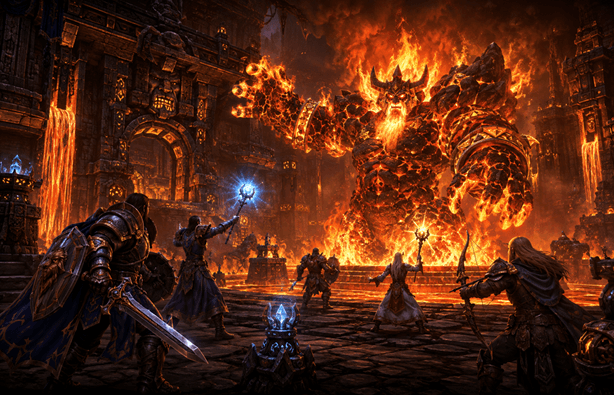
The first dungeon is where many MMORPG beginners discover whether they truly understand their class. Ordinary quests allow pauses, wide detours, and repeated attempts. A group instance adds shared responsibility: the tank must control dangerous enemies, the healer or support player must watch allies, damage dealers must avoid mechanics while maintaining pressure, and everyone must understand where to stand.
AION 2 adds another important layer. Its official global Steam page describes combat as a system shaped by precision, timing, positioning, chain skills, and verticality. Flight is not presented only as transportation; the world and encounters are designed around movement in three dimensions. That means a new player may need to think about height, camera angle, terrain, and party spacing in addition to familiar ground-based boss mechanics.
This guide is written for North American and global-launch players who have never entered an AION 2 dungeon. It does not assume that the first North American dungeon, its level requirement, its bosses, or its reward structure will match Korea or Taiwan. Instead, it focuses on the skills that remain useful across almost any launch-version PvE encounter.
First Dungeon Priorities
Enter with comfortable controls, repaired equipment, basic consumables, and enough uninterrupted time.
Understand your class responsibility before worrying about an advanced damage rotation.
Watch the boss, the arena, and the party—not only your action bar.
Treat the first run as an information-gathering attempt rather than a speedrun.
After a wipe, identify the mechanic that failed before changing damage or equipment.
Confirmed global information: The current global Steam listing says AION 2 will feature more than 200 dungeons across solo challenges, 5-player party content, and 10-player group dungeons. It also emphasizes manual decision-making, chain skills, precision, timing, positioning, and vertical combat. An older 2025 NC development presentation described solo, 4-player, and 8-player formats and mentioned an Easy Mode for newcomers. Because the current global Steam page now lists 5-player and 10-player formats, this guide uses the newer global listing for launch planning and treats older party sizes and Easy Mode details as unconfirmed until NC publishes final global documentation.
What AION 2 Officially Confirms About PvE
The global Steam page presents PvE as a major pillar rather than a single endgame activity. It describes content ranging from solo instances to large-scale raids and says more than 200 dungeons will cover several formats. The page currently identifies solo challenges, 5-player party content, and 10-player group dungeons.
The same page says encounters are designed around verticality and that every fight is a decision rather than a fixed rotation. For beginners, that wording matters. It suggests that successful dungeon play will depend on reacting to the arena and enemy behavior, not simply memorizing a long sequence of abilities.
NC previously highlighted a reimagined version of Fire Temple, including new boss mechanics, layouts, and cinematic presentation. That confirms the developer’s interest in rebuilding recognizable AION content rather than copying it unchanged. It does not confirm that Fire Temple will be the first North American dungeon or that its regional progression position will remain identical.
The practical conclusion is to learn universal dungeon behavior first. Exact boss names and unlock levels can be added later when the global launch client confirms them.
Solo, 5-Player and 10-Player Content Are Different Learning Environments
Solo Challenges
Solo instances test whether you understand your own toolkit. There is no teammate to correct positioning, restore health, or control an additional enemy. A good solo attempt teaches when to use defenses, how to create distance, and how much pressure your class can handle.
Do not treat solo content only as a damage race. Use it to practice watching telegraphs while moving, interrupting when appropriate, and recovering after a mistake. If a solo boss repeatedly defeats you at the same moment, the problem is probably a mechanic or resource decision rather than random bad luck.
5-Player Party Dungeons
Five-player content introduces a compact group where every player’s behavior is visible. A traditional party may include a tank, healer or support role, and several damage dealers, but the exact global composition rules should be confirmed at launch.
The main beginner lesson is interdependence. Moving too far can break healing range. Attacking before the tank establishes control can scatter enemies. Ignoring an additional monster can overwhelm the group. Party success depends on several simple actions being performed consistently.
10-Player Group Dungeons
Larger content increases visual noise, communication demands, and the chance that one mechanic affects several people. Beginners should expect more players, effects, targets, and possible role assignments. Your personal job may become narrower: stand in the correct area, handle one add, move with a subgroup, or use a defensive skill at a specific signal.
Do not assume that a larger group means your mistakes do not matter. A mechanic can punish nearby allies or remove an important player. The safest approach is to understand your assignment and avoid improvising unless the group needs recovery.
Prepare Before You Enter
Good preparation is not complicated. The goal is to remove preventable distractions so you can concentrate on the encounter.
Controls: Confirm movement, camera, target switching, defensive abilities, and vertical controls.
Equipment: Equip obvious upgrades and repair if the launch version uses durability.
Consumables: Bring the basic healing or recovery items introduced by the game.
Inventory: Leave enough open space to receive rewards and quest items.
Time: Do not queue when you may need to leave immediately.
Communication: Know how to read party chat and use simple pings or markers if available.
Avoid expensive or permanent preparation based on a regional guide. The global version may change item names, entry requirements, recommended statistics, or consumable access. Use what the tutorial and current global client clearly explain.
The Two-Minute Pre-Queue Check
Open the character screen, inventory, and keybind menu. Confirm your defensive button, your emergency recovery item, your target-switch key, and at least one movement skill. Then read the dungeon description once before entering.
Know Your Role Before the First Pull
Tank Responsibilities
A tank creates stability. The beginner tank should gather enemy attention, keep dangerous attacks pointed away from allies, move only when necessary, and avoid dragging the boss through the group.
Tanking is not about standing still forever. It is about moving with purpose. When an arena uses height or flight, the tank may need to reposition without causing the boss to spin unpredictably. Small, controlled corrections are usually easier for the party to follow than sudden large movements.
Healer Responsibilities
A healer watches both health and danger. Saving an ally does not always mean using the largest heal. Sometimes the correct decision is moving first, using a defensive tool, or allowing a lightly injured player to recover later while preventing a fatal hit on someone else.
Aerial or vertical movement can spread players beyond comfortable support range. Healers should maintain a position that keeps the tank and most of the party visible. Damage dealers should help by staying within reasonable range instead of forcing the healer to chase.
Support Responsibilities
Support value may include buffs, defensive help, control, recovery, or flexible damage. A beginner support player should understand which ability helps the entire group and which tool is reserved for emergencies.
Do not measure support only by personal damage. The role succeeds when the party becomes safer, faster, or more consistent because of your decisions.
Damage-Dealer Responsibilities
Damage dealers must attack while respecting mechanics. Your job is not to finish a rotation at any cost. Stop, move, switch targets, or use a defensive skill when the encounter requires it.
New damage players should prioritize reliable uptime over risky burst. Staying alive and attacking through the full encounter usually contributes more than dealing impressive damage for twenty seconds and then being eliminated.
How to Read Boss Telegraphs
A telegraph is any signal that tells players what the boss is about to do. It may be a colored floor area, animation, sound, cast bar, target marker, camera change, or environmental effect.
Watch the Boss’s Body
Large enemies often turn, raise a weapon, gather energy, or pause before a dangerous attack. Watching the model can provide information before a floor effect fully appears.
Watch the Arena
Safe and dangerous areas may appear on the floor, walls, platforms, or in the air. Because AION 2 emphasizes verticality, beginners should also look above and below. A safe ground position may not be safe if the mechanic demands altitude or a different level of the arena.
Watch Target Markers
A symbol over a character can indicate a personal attack, shared damage, spreading, stacking, or another assignment. Do not automatically run away. Observe what happened during the previous attempt or ask the group what the marker means.
Watch the Cast Bar
A cast bar may reveal the exact moment to interrupt, defend, move, or prepare healing. Beginners often notice it too late because they are watching cooldowns. Move essential interface elements where they can be seen without looking away from the boss.
Vertical Positioning in AION 2 Dungeons
The global description says AION 2 encounters are designed with verticality as an axis. The exact amount of flight available inside each dungeon is not confirmed, but players should prepare to think beyond a flat circle.
Keep the boss, allies, and a safe destination visible whenever possible.
Use small changes in altitude instead of uncontrolled climbs or dives.
Look below before descending into hazards or additional enemies.
Do not chase a target so far that healing or support can no longer reach you.
Return to the group after handling a mechanic instead of remaining isolated.
Camera control becomes part of survival. Large wings, spell effects, walls, and other players can block important information. Zoom out enough to understand the arena while keeping telegraphs readable.
The Correct Way to Handle a Wipe
A wipe is useful when the group learns from it. The worst response is immediately repeating the same pull without identifying what happened.
Ask a narrow question: Which attack defeated the group? Was a target ignored? Did players spread too far? Was a cast interruptible? Did someone move a marker into the party? A specific question produces a specific correction.
Avoid blaming the lowest visible damage before understanding the mechanic. Damage can be low because a player was handling movement, reviving, controlling adds, or learning the encounter. If the group survives the mechanics but cannot finish, then damage and equipment become more relevant.
One Change Per Attempt
After a wipe, agree on one clear adjustment: interrupt the cast, move behind the wall, stay closer to the healer, or switch to the additional enemy. One shared correction is easier to execute than five simultaneous theories.
Beginner Group Etiquette
Good etiquette makes learning faster and reduces unnecessary conflict. You do not need to write a long introduction. A simple message such as “First run—please call the important mechanic” gives experienced players useful context.
Do not start a boss while someone is reading, changing a skill, or returning to the arena.
Allow the tank or assigned leader to begin organized pulls.
Avoid criticizing a player without explaining the mechanic.
Ask before skipping enemies or taking an unfamiliar shortcut.
Use short, clear instructions during combat.
Thank the group after a patient learning run.
If a player becomes abusive, use the game’s official reporting or blocking tools rather than turning the dungeon into an argument. A first clear should teach the encounter, not test how much hostility a beginner will tolerate.
A Low-Pressure First-Clear Routine
Before the Boss
Identify the arena edges, possible vertical levels, obvious obstacles, and the party’s starting position. Confirm who will lead the pull and whether any player knows a critical mechanic.
During the Opening
Use a simple attack sequence. Watch how the boss faces, moves, and signals danger. Do not commit every major cooldown before understanding whether the encounter immediately changes position.
During the First Mechanic
Prioritize survival and observation. Notice the marker, animation, cast name, and safe area. Even if the attempt fails, remember one reliable piece of information.
During Recovery
Return to the party, stabilize health, and reset your camera. Do not continue attacking from an isolated position simply because the boss remains targetable.
After the Clear
Review rewards calmly, check whether a quest completed, and identify what you would do differently next time. The first clear is the beginning of understanding, not the end.
Common First-Dungeon Mistakes
Entering with untested keybinds: defensive and movement buttons should be familiar before the boss.
Watching only the action bar: boss animation and arena changes matter more than perfect button timing.
Chasing damage during danger: survival creates more total contribution.
Moving too far from the party: healing and support can fail when players scatter vertically.
Attacking before the group is ready: one rushed pull can waste more time than a short pause.
Using late regional guides as launch facts: party sizes, balance, and dungeon order may differ globally.
Changing everything after one wipe: identify one failed mechanic first.
Assuming beginners must remain silent: one clear question can prevent repeated failure.
AION 2 First Dungeon FAQ
How many players are in AION 2 dungeons?
The current global Steam page lists solo challenges, 5-player party content, and 10-player group dungeons. Older official development information mentioned 4-player and 8-player formats, so beginners should use the current global listing and verify final launch rules.
Will AION 2 have an Easy Mode for beginners?
A 2025 NC development presentation mentioned Easy Mode instance dungeons tailored for newcomers. The current global Steam description does not repeat that detail, so its exact availability and form in North America remain unconfirmed.
What should I bring to my first dungeon?
Bring comfortable controls, current equipment, basic recovery items introduced by the game, open inventory space, and enough time to finish. Avoid expensive preparation based on unconfirmed regional recommendations.
Do I need to know every boss mechanic before entering?
No. Read the available description, tell the group it is your first run, and learn the critical mechanic. A beginner-friendly first attempt should focus on survival and observation.
Is Fire Temple confirmed for AION 2?
NC officially showed a reimagined Fire Temple with redesigned mechanics, layout, and presentation. Its exact place in the North American launch progression should still be verified through global launch information.
Final Thoughts
Your first AION 2 dungeon should teach you how the game expects players to think. Watch the arena, understand your role, respect vertical space, communicate clearly, and treat mistakes as information. A simple plan performed consistently is better than an advanced rotation used without awareness.
The current global Steam listing gives beginners a useful picture of AION 2 PvE: solo challenges, 5-player party content, 10-player group dungeons, more than 200 total dungeons, and combat built around positioning and decisions. Exact first-dungeon names, levels, Easy Mode rules, and progression order should remain labeled as unconfirmed until NC publishes the final global details.
For current information, review the official AION 2 Steam page, NC’s official core-content presentation, and NC’s official dungeon-gameplay overview. Recheck global launch notices because party formats and beginner systems can change.
LootWoW will continue publishing verified AION 2 launch news, beginner dungeon guides, class introductions, faction explanations, and practical PvE information for North American and global players. Readers who also want to review the site’s separate service page can visit Buy Aion 2 Kinah for Sale. LootWoW focuses on clear service information, accessible support, and a straightforward player experience without making unverifiable guarantees. Always review the current game rules and make an informed personal decision before using a third-party marketplace.