











AION 2 Flight and Movement Guide for Global Launch Beginners
Source:nc

AION 2 Flight and Movement Guide for Global Launch Beginners
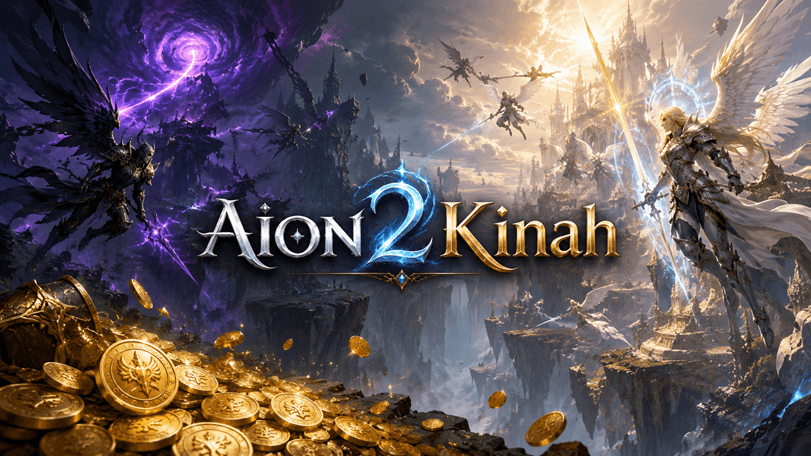
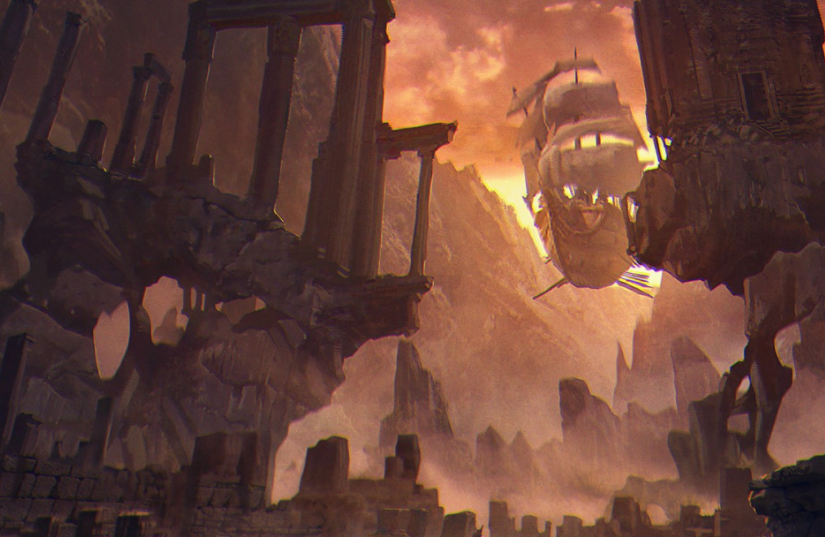
Flight is not a decorative feature in AION 2. It is one of the game’s defining systems, shaping how players cross the world, read terrain, approach enemies, escape danger, and understand combat space. For a beginner, that creates an unusual challenge: you are not only learning a new MMORPG, but also learning to think above and below the ground.
The current global Steam page presents AION 2 as a PC-only Unreal Engine 5 MMORPG where the sky is part of the battlefield. It also emphasizes precision, timing, positioning, chain skills, faction conflict, and a world described as far larger than the original AION. Those confirmed global statements make movement knowledge essential from the first session, even though exact launch keybinds, stamina values, restricted-flight zones, and tutorial timing may still change before release.
This guide is written for North American and worldwide beginners preparing for the global launch version and its first phase. It explains how to build reliable movement habits without assuming that Korean or Taiwan settings will transfer unchanged. You will learn how to control the camera, judge altitude, route quests, position during combat, explore safely, and avoid the movement mistakes that make early content harder than it needs to be.
What Is Confirmed for the Global Version?
AION 2 is listed for a September 2026 global release on Steam.
The Steam version is described as PC-only and built with Unreal Engine 5.
Global marketing explicitly presents the sky as a battlefield and flight as part of combat and exploration.
NC has stated that the global rollout covers North America, South America, Europe, and Japan.
Exact launch controls, accessibility options, flight restrictions, and Phase 1 map progression still require final global patch notes or client confirmation.
Regional-version warning: Korea and Taiwan launched earlier and may contain later patches, additional regions, balance changes, or different interface behavior. Their videos are useful for seeing the game’s general movement philosophy, but they should not be treated as final proof of North American launch values, unlock levels, route efficiency, or zone access.
1. Why Movement Matters More in AION 2
Most MMORPG beginners think of movement as the space between fights. In AION 2, movement is part of the fight itself. Enemy attacks may be avoided through directional movement, altitude changes, spacing, or rapid repositioning. A good route can reduce unnecessary combat, while a poor angle can place you behind terrain, outside support range, or directly above a hazard.
The game’s global description says every battle is a decision rather than a fixed rotation. That principle applies to travel as well. You must decide when to fly, when to stay grounded, when to climb, when to descend, and when to preserve control instead of chasing speed.
Beginners should therefore separate three mobility skills: basic locomotion, navigation, and combat movement. Locomotion is simply controlling your character. Navigation is understanding where you are going. Combat movement is choosing a safe, useful position while still contributing to the encounter. Improving all three at once makes the first week much smoother.
2. Set Up Controls Before You Chase Objectives
Your first priority should be comfort, not speed. Open the global client’s control settings and identify movement keys, camera sensitivity, flight activation, ascent, descent, dodge or evade controls, autorun, target selection, map access, and any available lock-on options.
Do not copy another player’s keybinds automatically. A setup designed for an experienced action-MMO player may feel awkward to someone used to tab-target combat. Place frequently used movement actions where your hand can reach them without leaving core combat keys.
Camera sensitivity deserves special attention. If it is too low, you will struggle to track enemies above or behind you. If it is too high, small adjustments can send the camera past the target and make narrow paths difficult. Test it in a safe starting area before entering serious combat.
Assign ascent and descent to keys that can be pressed while moving forward.
Keep map, quest tracking, and target selection easy to reach.
Test whether camera movement feels stable during rapid turns.
Check accessibility options such as hold-versus-toggle behavior if available.
Save screenshots or notes of your final layout before experimenting further.
First-Day Practice Drill
Spend three minutes moving around a quiet area without attacking. Practice turning, reversing direction, changing altitude, opening the map, and returning to the same landmark. This exposes control problems before they become dungeon problems.
3. Learn to Read Altitude, Not Just Distance
A quest marker can appear close while actually being far above or below you. This is one of the most common sources of wasted time in vertical games. Before flying directly toward an icon, look for cliffs, bridges, towers, caves, floating structures, and elevation indicators on the map or minimap.
Use recognizable landmarks instead of following the marker blindly. A large ruin, waterfall, gate, or ridge can tell you whether the route climbs naturally or requires flight. If the objective seems inaccessible, circle the area once before assuming the game is broken. The entrance may be on another level.
When approaching a target, reduce speed and line up your altitude early. Arriving too high can make the camera hide the ground, while arriving too low may place terrain between you and the objective. Controlled approaches are usually faster than repeated overshooting.
4. Flight Is a Positioning Tool, Not Always the Fastest Route
The most direct line is not always the best route. Flying over enemy territory, narrow structures, or unfamiliar terrain can expose you to threats you did not see from the map. A slightly longer path with clear landmarks may be safer and easier to repeat.
Use flight to bypass obstacles, scout terrain, reach elevated objectives, and create better approach angles. Stay grounded when you need precise interaction, reliable camera framing, or close control around NPCs and doors. Beginners often activate flight for every short movement and then lose time correcting altitude.
Treat takeoff and landing as deliberate actions. Look where you intend to land before descending. Avoid dropping into a cluster of enemies, onto a narrow ledge, or behind an object that blocks your view. When possible, land at the edge of an area, read the situation, and move inward.
5. Camera Control During Flight
A stable camera is more important than dramatic speed. Keep the camera far enough back to see your character, nearby terrain, and incoming threats. Looking too close may feel immersive, but it reduces awareness and makes altitude difficult to judge.
During long travel, periodically angle the camera toward the ground to confirm your path. During combat, keep the enemy and your escape route visible together. Avoid staring only at the target because hazards may appear outside the center of the screen.
Large enemies and visual effects can fill the screen. In those moments, move the camera sideways or upward rather than zooming in. If terrain blocks the view, reposition your character before trying to repair the camera. Fighting the interface while standing still is often more dangerous than briefly losing attack time.
6. Vertical Combat Basics
Vertical combat adds a third dimension to familiar concepts such as range, line of sight, and facing. A target may be horizontally close but vertically outside your effective position. Likewise, an ally may appear nearby while being separated by a floor, ledge, or height difference.
Keep your character within a readable vertical band unless the encounter requires separation. Extreme altitude changes make targeting, healing, and group awareness harder. Small controlled adjustments are usually better than flying far above or below the fight.
When an enemy telegraph appears, move first and evaluate second. Trying to finish a chain skill inside danger is a classic beginner mistake. Once safe, turn the camera back toward the target and resume your sequence. Reliable survival creates more total damage than repeatedly gambling on one extra attack.
Avoid hovering directly above large enemies where animations are hard to read.
Do not place terrain between yourself and allies.
Leave one clear direction for escape before committing to an attack position.
Use small altitude changes to improve visibility rather than dramatic climbs.
Return to the group after a mechanic instead of remaining isolated.
7. Questing Efficiently Without Turning It Into a Race
Fast early leveling comes from reducing confusion, not from forcing maximum speed. Group nearby quests, identify shared landmarks, and complete objectives that use the same route. Before leaving a settlement, check whether several tasks point toward the same region.
Open the map before taking off. Decide which objective is highest, lowest, nearest to a transport point, or located inside a structure. Completing objectives in a logical elevation order can prevent repeated climbing and descending.
Do not ignore dialogue and tutorial messages simply because other players are moving quickly. Movement systems are often introduced through early quests, and missing one explanation may cost more time later. The first day is also when global players will discover which regional assumptions no longer apply.
When the route becomes unclear, stop at a safe landmark and reorient. Continuing in the wrong direction at full speed only increases the correction distance.
8. Exploring the Map Safely
Exploration is most useful when it builds a mental map. Pay attention to major roads, faction settlements, gates, bridges, cliffs, flight paths, dungeon entrances, and safe landing areas. These landmarks will matter when quest markers disappear or when you return later.
Avoid entering unfamiliar high-level areas only because the landscape looks accessible. Open-world freedom does not guarantee that every route is appropriate for a new character. Enemy density, faction conflict, or environmental hazards can change quickly.
If you discover a difficult route, mark or remember the safer alternative. A path that requires perfect movement may be exciting once, but it is not a good repeated quest route. Reliability matters more during the first week.
The Landmark Method
Start: identify the settlement, camp, or transport point you are leaving.
Middle: choose one large object that confirms you are traveling in the correct direction.
Finish: approach the objective from a side with clear ground, visibility, and room to land.
9. Group Movement and Dungeon Etiquette
In group content, movement should help the party remain readable. Follow the group’s route unless a mechanic requires separation. Do not fly ahead and trigger enemies while the tank, healer, or new players are still navigating.
If the dungeon uses vertical platforms or multiple floors, wait at confusing transitions. A player who misses a ledge or entrance may become separated from the group. A short pause is faster than restarting a pull without everyone present.
During boss fights, avoid placing yourself on the opposite side of terrain from the healer or support players. Ranged characters should not assume that distance is always safe. Melee players should avoid circling so aggressively that the boss’s facing becomes unpredictable.
When you make a movement mistake, communicate it briefly. “Wrong level,” “fell,” or “rejoining” gives the group useful information without creating a long interruption.
10. Beginner PvP Movement
AION 2’s global materials confirm faction conflict, but exact Phase 1 PvP access, zone rules, and balance should be verified at launch. The safest beginner lesson is to treat positioning as survival.
Do not chase an opponent into unfamiliar terrain simply because their health is low. They may be leading you away from allies, toward additional enemies, or into a vertical route they understand better. Keep an exit direction available and know where friendly players are located.
Altitude can create awareness advantages, but height alone does not guarantee safety. A player who climbs too far may lose support or become easy to track. Use terrain to break sight, change direction, and rejoin allies rather than attempting endless solo pursuit.
Beginners should focus on surviving, recognizing enemy movement, and staying with the group. Damage rankings and advanced regional PvP builds can wait until global balance is confirmed.
11. Recovery After Falls, Wrong Turns, and Separation
Movement mistakes will happen. The important skill is recovering without making the situation worse. If you fall, first determine whether you are safe. Do not immediately rush toward the group through unknown enemies.
Open the map, locate the nearest recognizable landmark, and identify whether the group is above, below, or behind terrain. Tell the party you are repositioning. If a transport, return function, or safe reset option is available in the global client, compare it with the time required to climb back manually.
When you take a wrong route during solo questing, return to the last known point rather than continuing forward and hoping the path reconnects. Vertical maps often contain visually close areas that are separated by long detours.
12. Common Flight and Movement Mistakes
Flying directly at every marker: the objective may be inside, above, or below a structure.
Ignoring camera setup: poor sensitivity turns simple movement into constant correction.
Using maximum speed near objectives: overshooting creates more delay than a controlled approach.
Landing in the center of enemy groups: scout the edge of the area first.
Hovering too high in combat: allies and telegraphs become harder to read.
Breaking line of sight: terrain can block healing, support, and target access.
Chasing players through unknown terrain: pursuit can separate you from your faction group.
Copying regional route guides exactly: global quests, unlocks, or Phase 1 progression may differ.
AION 2 Flight FAQ
Is flight confirmed for the global version?
Yes. The official global Steam presentation describes the sky as a battlefield and flight as central to the game’s identity. Exact restrictions and unlock details still need final global confirmation.
Will the global version launch on mobile?
The current global Steam page describes the global release as PC-only. Korea and Taiwan launched with both PC and mobile support, but that regional arrangement should not be presented as the confirmed global plan.
Should I use Korean or Taiwan movement guides?
They can demonstrate general concepts such as vertical awareness and camera control. Do not assume their keybinds, unlock timing, zone access, or efficiency routes are identical to global Phase 1.
Is flying always faster than running?
Not necessarily. Short interactions, indoor routes, precise landings, and crowded objectives may be easier on the ground.
What is the best beginner movement habit?
Keep the camera stable, identify altitude before committing to a route, and always leave yourself one safe direction to move.
First-Day Mobility Checklist
Adjust camera sensitivity before serious combat.
Place ascent, descent, dodge, map, and target keys within easy reach.
Practice takeoff, landing, turning, and altitude correction in a safe area.
Use landmarks instead of following quest markers blindly.
Approach objectives slowly enough to read the terrain.
Stay within support range during group movement.
Confirm global patch notes before copying regional routes.
Prioritize control and awareness over raw travel speed.
Final Thoughts
AION 2’s movement system rewards players who understand space rather than simply pressing forward. Good flight is not about staying in the air as long as possible. It is about choosing the right altitude, route, camera angle, landing point, and escape direction for the situation.
During the global launch and Phase 1, beginners should expect to learn through exploration. The players who progress most comfortably will not always be the fastest. They will be the ones who stop before getting lost, read terrain before engaging, remain visible to their group, and adapt when global details differ from regional expectations.
For current confirmed information, review the official AION 2 Steam page, the official global AION 2 site, and NC’s global launch-region update. Recheck preload timing, server details, final controls, and Phase 1 patch notes close to release.
LootWoW will continue covering verified AION 2 global news, launch schedules, server information, classes, flight, combat, maps, quests, dungeons, lore, PvE, PvP, and practical beginner guidance. Players reviewing the site’s separate service information can visit Buy Aion 2 Kinah. LootWoW emphasizes clear service details, accessible support, and a convenient player experience without making unverifiable guarantees. Always review current game rules and make an informed personal decision before using any third-party marketplace.